

Quick Answer
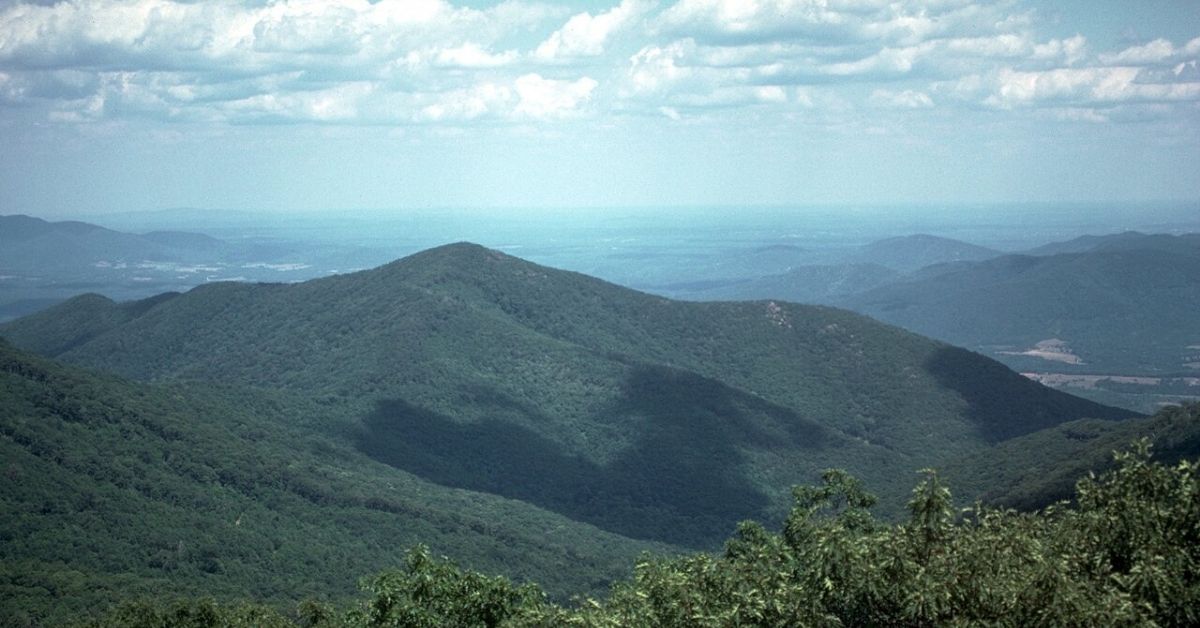
The Appalachian Mountains stretch nearly 2,000 miles across eastern North America. They begin in Newfoundland and Labrador, Canada, and extend south to central Alabama in the United States.
This ancient mountain range passes through 15 U.S. states, including Maine, Virginia, North Carolina, Tennessee, and Georgia. The Appalachians rank among the oldest mountain ranges on Earth, formed roughly 480 million years ago.
Author: S. Gulfam Role: Founder, Publisher & Traveling Content Specialist Experience: 10+ Years in Traveling
Content Review: All content follows Google’s latest EEAT guidelines and includes fact-checked information from official documentation, trusted traveling sources, industry reports, and practical research to ensure accuracy, reliability, and up-to-date insights.
Introduction
If you have ever searched for “where are the Appalachian Mountains,” you are not alone. Millions of hikers, road trippers, and nature lovers ask this question every year. The Appalachian Mountains form one of North America’s most iconic landscapes. They shape the weather, ecology, and culture of the entire eastern United States.
These mountains are not just a single ridge. They form a massive system of peaks, valleys, plateaus, and forests spanning from Canada to Alabama. Whether you want to hike the famous Appalachian Trail, explore the Great Smoky Mountains, or drive scenic mountain roads, knowing the range’s exact location helps you plan the perfect trip.
This guide covers everything you need to know. You will learn exactly which states the Appalachian Mountains pass through, the best places to visit, top hiking trails, travel tips, and common mistakes to avoid. Let’s explore.
Table of Contents
- Geographic Location of the Appalachian Mountains
- How Far Do the Appalachian Mountains Stretch?
- Which States Have the Appalachian Mountains?
- Major Sub-Ranges Within the Appalachians
- How Old Are the Appalachian Mountains?
- Best Places to Visit in the Appalachian Mountains
- Top Hiking Trails in the Appalachian Mountains
- Best Time to Visit the Appalachian Mountains
- Camping in the Appalachian Mountains
- Wildlife and Biodiversity
- Common Mistakes Travelers Make
- Expert Travel Tips for the Appalachians
- Appalachian Mountains vs Rocky Mountains
- Key Takeaways
- Conclusion
- FAQ
Geographic Location of the Appalachian Mountains
The Appalachian Mountains sit along the eastern side of North America. They run roughly parallel to the Atlantic coastline. The range starts in the Canadian province of Newfoundland and Labrador and extends southward through Quebec, New Brunswick, and the Maritime Provinces before entering the United States.
Once inside the U.S., the range passes through New England, the Mid-Atlantic, and the Southeast. It finally ends in central Alabama. According to Encyclopaedia Britannica, the Appalachians form a natural barrier between the eastern Coastal Plain and the Interior Lowlands of North America.
The mountains do not rise as dramatically as the Rockies. Their highest point is Mount Mitchell in North Carolina, standing at 6,684 feet above sea level. Most Appalachian peaks range between 3,000 and 6,000 feet. The terrain includes rolling hills, deep river valleys, dense forests, and rocky ridgelines. If you love exploring scenic mountain travel destinations, the Appalachians deserve a top spot on your list.
How Far Do the Appalachian Mountains Stretch?
The Appalachian mountain system covers approximately 2,000 miles (about 3,200 kilometers) from north to south. The width of the range varies between 100 and 300 miles depending on the region.
Here is a quick breakdown of the distances:
- Northern terminus: Newfoundland and Labrador, Canada
- Southern terminus: Central Alabama, United States
- Total length: Approximately 2,000 miles
- Average width: 100 to 300 miles
- Highest peak: Mount Mitchell, North Carolina (6,684 ft)
- Lowest elevation along the Appalachian Trail: Bear Mountain State Park, New York (124 ft)
The range covers a huge diversity of climates. Northern sections in Maine and New Hampshire experience harsh winters and heavy snowfall. Southern sections in Georgia and Alabama stay milder year-round. This variety makes the Appalachians a great destination in every season.
Which States Have the Appalachian Mountains?
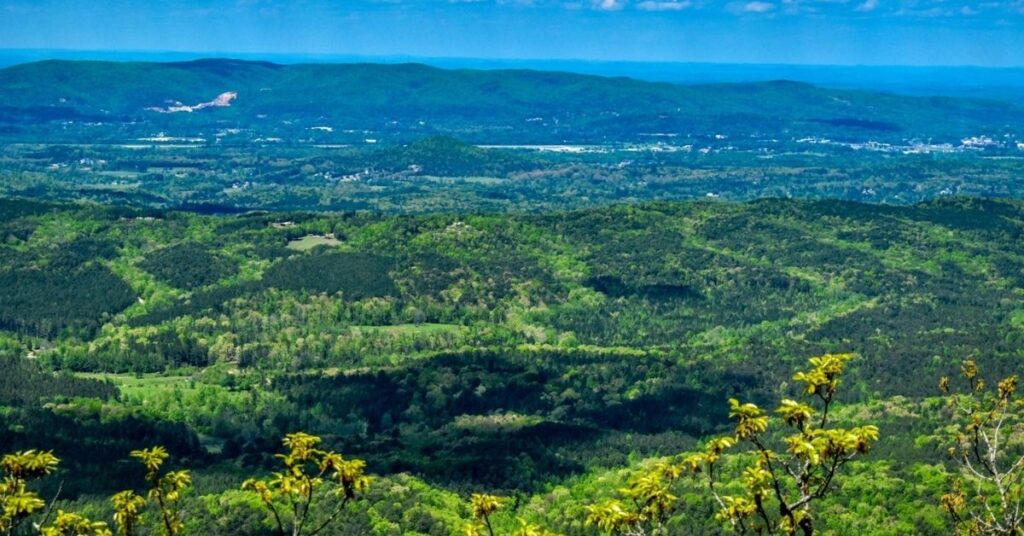
The Appalachian Mountains pass through 15 U.S. states. Each state offers unique landscapes, trails, and experiences.
Northern Appalachian States
- Maine — Home to Mount Katahdin, the northern terminus of the Appalachian Trail. Dense boreal forests cover this section. Baxter State Park draws thousands of hikers every year.
- New Hampshire — The White Mountains dominate this area. Mount Washington stands as the highest peak in the northeastern United States at 6,288 feet. Expect extreme weather conditions near the summit.
- Vermont — The Green Mountains run through the center of the state. The Long Trail, America’s oldest long-distance hiking trail, follows this ridge.
- Massachusetts — The Berkshires define western Massachusetts. Mount Greylock tops out at 3,491 feet.
- Connecticut — The Appalachian Trail passes through the northwest corner. Expect gentle hills and wooded ridges.
Central Appalachian States
- New York — The Catskill Mountains and Hudson Highlands create dramatic scenery. Bear Mountain offers easy day hikes near New York City.
- Pennsylvania — The Appalachian Trail crosses 229 miles of Pennsylvania. The state features rocky terrain that challenges even experienced hikers.
- Maryland — A short but scenic section of the range passes through western Maryland. South Mountain and the C&O Canal towpath attract visitors.
- West Virginia — Almost the entire state sits within the Appalachian region. The Monongahela National Forest offers some of the best wilderness experiences in the East.
- Virginia — Shenandoah National Park and the Blue Ridge Parkway make Virginia one of the most popular Appalachian destinations. The state holds the longest section of the Appalachian Trail at over 500 miles.
Southern Appalachian States
- Kentucky — The Cumberland Plateau and Pine Mountain shape eastern Kentucky. Breaks Interstate Park sits on the Kentucky-Virginia border and features one of the deepest canyons east of the Mississippi.
- Tennessee — The Great Smoky Mountains National Park straddles the Tennessee-North Carolina border. It ranks as the most visited national park in the United States.
- North Carolina — Mount Mitchell, the tallest peak east of the Mississippi, anchors the Black Mountains here. The Blue Ridge Parkway offers 469 miles of scenic driving.
- South Carolina — A small portion of the Blue Ridge Mountains extends into the northwest corner of the state. Table Rock State Park and Caesars Head State Park provide excellent hiking.
- Georgia — Springer Mountain marks the southern terminus of the Appalachian Trail. Amicalola Falls State Park serves as the main approach trail for northbound thru-hikers.
- Alabama — The Appalachian range ends in central Alabama near the city of Birmingham. Cheaha Mountain stands as the highest point in the state at 2,413 feet.
If you want to explore the best locations in the U.S. for your next trip, check out this guide to vacation spots in the US.
Major Sub-Ranges Within the Appalachians
The Appalachian Mountains consist of several smaller ranges and geographic regions. Understanding these sub-ranges helps you pick the right area for your trip.
| Sub-Range | Location | Notable Feature |
| White Mountains | New Hampshire, Maine | Mount Washington (6,288 ft) |
| Green Mountains | Vermont | Long Trail |
| Catskill Mountains | New York | Year-round outdoor recreation |
| Allegheny Mountains | PA, WV, VA, MD | Monongahela National Forest |
| Blue Ridge Mountains | VA, NC, SC, GA | Blue Ridge Parkway |
| Great Smoky Mountains | TN, NC | Most visited national park |
| Black Mountains | North Carolina | Mount Mitchell (6,684 ft) |
| Cumberland Plateau | TN, KY, AL | Deep gorges and waterfalls |
Each sub-range has its own character. The White Mountains feel rugged and alpine. The Blue Ridge Mountains offer rolling, forested ridgelines. The Great Smokies combine incredible biodiversity with misty valleys. You can discover even more hidden travel gems worldwide when you explore beyond the well-known sections.
How Old Are the Appalachian Mountains?
The Appalachian Mountains rank among the oldest mountain ranges on the planet. Geologists estimate their formation began around 480 million years ago during a series of tectonic events called the Taconic, Acadian, and Alleghenian orogenies.
At their peak, the Appalachians likely stood as tall as the modern-day Alps or even the Rocky Mountains. Hundreds of millions of years of erosion have worn them down to their current, more rounded shape. The rocks found in the Appalachians include some of the oldest exposed geological formations in North America.
This ancient history means the Appalachians look and feel very different from younger ranges like the Rockies or the Cascades. Instead of sharp, jagged peaks, you see smooth summits, gentle slopes, and deeply weathered ridges. The soil here is rich, and the forests are thick. Many travelers find the Appalachians feel more welcoming and accessible than taller western ranges.
Best Places to Visit in the Appalachian Mountains
Great Smoky Mountains National Park (Tennessee and North Carolina)
- The most visited national park in the United States, drawing over 12 million visitors annually.
- Offers more than 800 miles of trails, including paths to Kuwohi (formerly Clingmans Dome), the highest point in Tennessee.
- Home to synchronous fireflies, black bears, elk, and over 1,600 species of flowering plants.
- Free entry — one of the few national parks that does not charge an admission fee (a parking tag is required).
Shenandoah National Park (Virginia)
- Skyline Drive runs 105 miles along the crest of the Blue Ridge Mountains.
- Over 500 miles of trails include popular hikes like Old Rag Mountain and Dark Hollow Falls.
- Peak fall foliage season (mid-October) draws huge crowds.
Blue Ridge Parkway (Virginia and North Carolina)
- Stretches 469 miles and connects Shenandoah National Park to the Great Smoky Mountains.
- Offers scenic overlooks, wildflower meadows, and access to towns like Asheville and Blowing Rock.
- Consistently ranks as one of the most scenic drives in North America.
For travelers who want to explore the best parks around the globe, this guide to the best national parks worldwide covers must-see destinations.
Top Hiking Trails in the Appalachian Mountains
The Appalachian region holds thousands of trails. Here are the most popular ones every hiker should know.
- Appalachian Trail (Georgia to Maine) — At over 2,190 miles, this is the most famous long-distance trail in the world. A complete thru-hike takes 5 to 7 months. The National Park Service manages the trail alongside the Appalachian Trail Conservancy and thousands of volunteers.
- Long Trail (Vermont) — The oldest long-distance hiking trail in the United States, running 272 miles from the Massachusetts border to the Canadian border.
- Franconia Ridge Trail (New Hampshire) — A stunning above-treeline ridge walk with panoramic views of the White Mountains.
- Alum Cave Trail (Tennessee) — Leads to Mount Le Conte in the Great Smokies. Features cave-like rock formations and incredible views.
- McAfee Knob (Virginia) — One of the most photographed spots on the entire Appalachian Trail. A moderate 8.8-mile round trip.
- Charlies Bunion (Tennessee/North Carolina) — A rocky outcrop with dramatic views of the Smoky Mountains ridgeline.
- Mount Mitchell Trail (North Carolina) — Climbs to the highest point east of the Mississippi River.
Whether you prefer short day hikes or multi-week backpacking trips, the Appalachians deliver options for every skill level.
Best Time to Visit the Appalachian Mountains
Timing matters when you visit the Appalachians. Each season brings a completely different experience.
Spring (April to May) — Wildflowers bloom across the southern and central Appalachians. Streams run high from snowmelt. Trails can be muddy, especially at higher elevations.
Summer (June to August) — The most popular season. Expect warm temperatures in the valleys and cooler air at higher elevations. Thunderstorms happen frequently in the afternoons. Bug repellent is essential. If you are planning a summer getaway, explore this guide on where to travel in summer for more ideas.
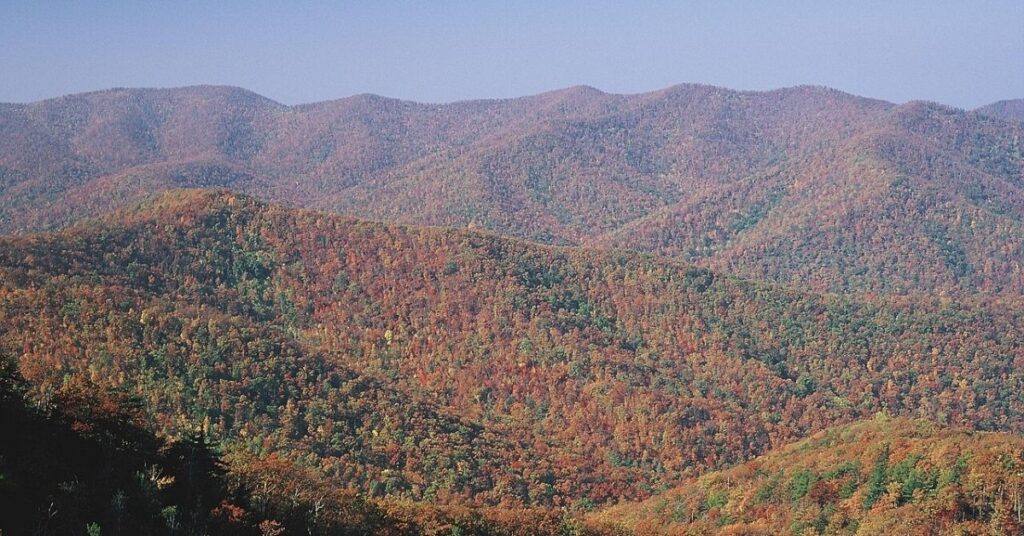
Fall (September to November) — The best season for many travelers. Fall foliage peaks between late September (northern sections) and late October (southern sections). Crowds increase along the Blue Ridge Parkway and in Shenandoah during peak leaf season.
Winter (December to March) — Northern sections receive heavy snow. Southern sections stay milder but can still experience freezing temperatures at higher elevations. Fewer crowds make this a great time for solitude.
Camping in the Appalachian Mountains
Camping is one of the best ways to experience the Appalachians. The region offers every type of campsite, from primitive backcountry spots to full-service campgrounds.
Types of Camping Available
- Backcountry camping — Available throughout most national forests and along the Appalachian Trail. You will need a bear canister or bear hang system in many areas.
- Established campgrounds — National parks, state parks, and national forest campgrounds offer sites with fire rings, picnic tables, and restrooms. Reservations fill quickly during peak season.
- Shelters along the Appalachian Trail — More than 250 three-sided shelters line the trail. Most operate on a first-come, first-served basis.
- Glamping and cabin rentals — Available near popular destinations like Asheville, Gatlinburg, and the Shenandoah Valley.
Camping Tips for Beginners
- Always check weather forecasts before heading out. Mountain weather changes rapidly.
- Pack layers. Temperatures can drop 20°F or more between valley floors and ridgelines.
- Store food properly. Black bears live throughout the Appalachian range.
- Bring a water filter. Stream water needs treatment before drinking.
- Arrive early at popular campgrounds on weekends, especially during fall foliage season.
Wildlife and Biodiversity
The Appalachian Mountains support extraordinary biodiversity. The region contains over 20,000 plant and animal species. More than 1,500 of those species exist nowhere else on Earth.
Common wildlife you might encounter includes black bears, white-tailed deer, wild turkeys, red-tailed hawks, salamanders (the Appalachians hold the title of “Salamander Capital of the World”), and the recently reintroduced elk herd in the Great Smokies.
The forests range from boreal spruce-fir at the highest elevations to rich cove hardwood forests at lower levels. Old-growth forests survive in pockets throughout the range, particularly in the Great Smoky Mountains. These diverse ecosystems make the Appalachians a priority conservation region globally.
Common Mistakes Travelers Make
Even experienced travelers make errors when visiting the Appalachians. Avoid these pitfalls to ensure a smooth trip.
- Underestimating weather changes — Mountain weather shifts fast. A sunny morning can turn into a dangerous thunderstorm by afternoon. Always carry rain gear.
- Skipping the water filter — Stream water looks clean but can carry giardia and other pathogens. Never drink untreated water.
- Wearing cotton clothing — Cotton absorbs moisture and dries slowly. Wear synthetic or merino wool layers instead.
- Not reserving campsites early — Popular campgrounds in the Smokies and Shenandoah sell out months in advance. Book as soon as reservations open.
- Ignoring Leave No Trace principles — Pack out all trash, stay on marked trails, and keep a safe distance from wildlife.
- Attempting too much in one trip — The Appalachians cover 2,000 miles. Focus on one region rather than rushing through multiple parks.
Expert Travel Tips for the Appalachians
Smart planning makes a huge difference when exploring these mountains.
- Start with day hikes if you are new to mountain hiking. Trails like McAfee Knob, Laurel Falls, and Chimney Tops offer rewarding experiences without requiring backcountry gear.
- Drive the Blue Ridge Parkway for one of the best scenic road trips in America. Stop at overlooks, short trailheads, and local craft shops along the way.
- Visit midweek to avoid the heaviest crowds, especially at the Great Smoky Mountains and Shenandoah.
- Use shuttle services on popular trail sections. Many Appalachian Trail towns offer hiker shuttles.
- Carry a paper map in addition to your phone. Cell service drops out across large sections of the mountains.
- Support local communities by staying at locally owned lodges, eating at local restaurants, and shopping at roadside farm stands.
For those who love budget-friendly travel destinations, the Appalachians are a great choice. Many trails, parks, and campgrounds cost little or nothing.
Appalachian Mountains vs Rocky Mountains
Many travelers compare these two iconic American ranges. Here is how they stack up.
| Feature | Appalachian Mountains | Rocky Mountains |
| Age | ~480 million years | ~80 million years |
| Highest Peak | Mount Mitchell (6,684 ft) | Mount Elbert (14,440 ft) |
| Length | ~2,000 miles | ~3,000 miles |
| Location | Eastern North America | Western North America |
| Terrain | Rounded, forested | Rugged, alpine |
| Average Elevation | 3,000–6,000 ft | 6,000–14,000 ft |
| Tree Cover | Dense hardwood and conifer forests | Sparse above treeline |
| Famous Trail | Appalachian Trail | Continental Divide Trail |
The Appalachians feel greener, more forested, and more accessible. The Rockies feel wilder, taller, and more dramatic. Both offer world-class outdoor experiences.
Key Takeaways
- The Appalachian Mountains stretch nearly 2,000 miles from Newfoundland, Canada, to central Alabama.
- They pass through 15 U.S. states and include famous sub-ranges like the Blue Ridge, White Mountains, and Great Smokies.
- These are among the oldest mountains on Earth, formed about 480 million years ago.
- The Appalachian Trail runs over 2,190 miles from Georgia to Maine and attracts millions of hikers annually.
- Fall foliage season (September to November) ranks as the most popular time to visit.
- The Great Smoky Mountains National Park is the most visited national park in the country.
- Proper preparation, including layered clothing, water filtration, and early campsite reservations, makes your trip safer and more enjoyable.
- The Appalachians offer experiences for every level, from beginner day hikes to multi-month thru-hikes.
Conclusion
Now you know exactly where the Appalachian Mountains are and why they attract millions of visitors every year. This ancient mountain range stretches from Canada to Alabama and touches 15 U.S. states. It offers everything from short scenic drives to life-changing thru-hikes.
The Appalachians remain one of North America’s most accessible mountain ranges. You do not need elite fitness or expensive gear to enjoy them. A simple day hike along the Blue Ridge Parkway or a weekend camping trip in the Smokies can recharge your mind and body.
Start small. Pick one section. Explore it thoroughly. Then come back for more. The Appalachians have enough trails, peaks, waterfalls, and wildlife to fill a lifetime of adventures. Plan your first visit today and discover why this mountain range holds a special place in the hearts of millions.
FAQ
Q1: Where exactly are the Appalachian Mountains located?
The Appalachian Mountains run along the eastern side of North America, stretching from Newfoundland, Canada, to central Alabama in the United States.
Q2: How many states do the Appalachian Mountains pass through?
They pass through 15 U.S. states, including Maine, New Hampshire, Vermont, New York, Pennsylvania, Virginia, West Virginia, North Carolina, Tennessee, and Georgia.
Q3: What is the highest peak in the Appalachian Mountains?
Mount Mitchell in North Carolina stands at 6,684 feet and ranks as the highest point east of the Mississippi River.
Q4: How long is the Appalachian Trail?
The Appalachian Trail stretches over 2,190 miles from Springer Mountain in Georgia to Mount Katahdin in Maine.
Q5: What is the best time to visit the Appalachian Mountains?
Fall (September to November) offers the best experience with stunning foliage, comfortable temperatures, and fewer bugs.
Q6: Are the Appalachian Mountains good for beginners?
Yes. Many trails suit beginners, including Laurel Falls in the Smokies and Stony Man Trail in Shenandoah National Park.
Q7: Can you camp in the Appalachian Mountains?
Yes. Options include backcountry camping, established campgrounds, trail shelters, and cabin rentals across the entire range.
Q8: How old are the Appalachian Mountains?
Geologists estimate the Appalachian Mountains began forming around 480 million years ago, making them one of the oldest ranges on Earth.
Q9: Which national park in the Appalachians is the most popular?
Great Smoky Mountains National Park is the most visited national park in the United States, with over 12 million annual visitors.
Q10: Do I need a permit to hike in the Appalachian Mountains?
Most trails do not require permits. However, backcountry camping in parks like the Great Smokies requires a reservation or permit.
