

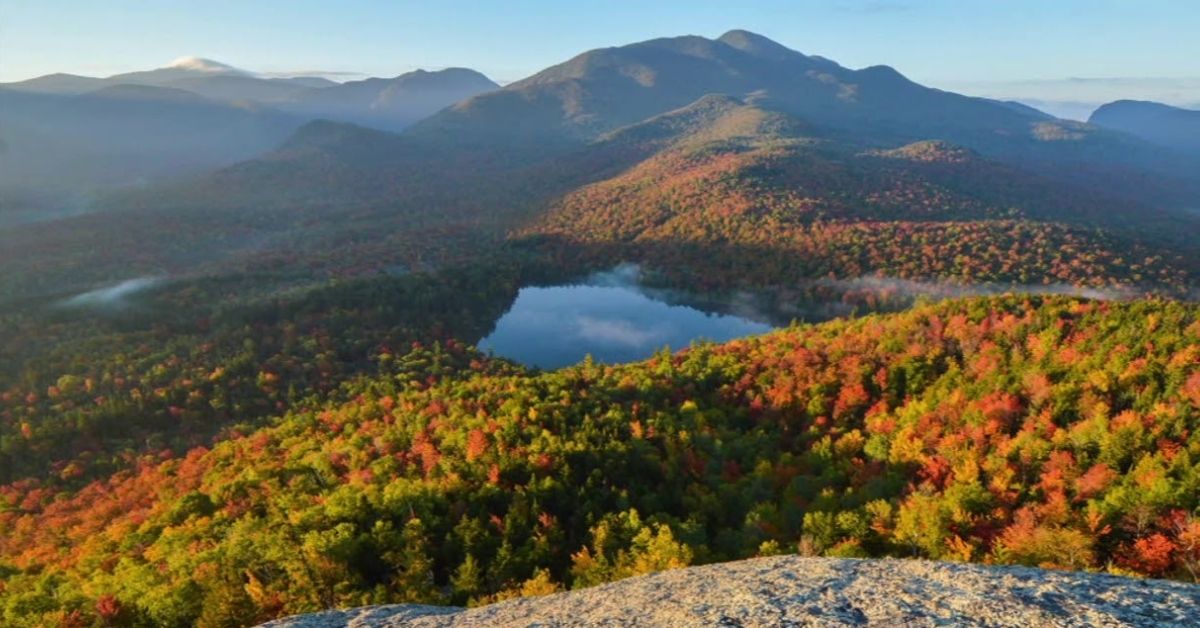
Quick Answer
The United States contains more than 100 named mountain ranges spread across nearly every region. The most famous mountain ranges in the USA include the Rocky Mountains, Appalachian Mountains, Sierra Nevada, Cascade Range, and the Alaska Range. These ranges offer world-class hiking, skiing, camping, and wildlife viewing. The country’s tallest peak, Denali, stands at 20,310 feet in Alaska. Whether you want rugged backcountry trails or scenic drives, American mountain ranges deliver unforgettable adventures.
Author: S. Gulfam Role: Founder, Publisher & Traveling Content Specialist Experience: 10+ Years in Traveling
Content Review: All content follows Google’s latest EEAT guidelines and includes fact-checked information from official documentation, trusted traveling sources, industry reports, and practical research to ensure accuracy, reliability, and up-to-date insights.
Introduction
America’s mountains tell a story millions of years in the making. Towering granite peaks, rolling green ridgelines, and volcanic summits stretch from coast to coast. Every year, millions of travelers explore the mountain ranges in the USA to hike legendary trails, photograph stunning vistas, and reconnect with nature.
From the snow-capped peaks of Alaska to the ancient ridges of the Appalachians, these ranges shape the country’s geography, weather, and culture. They feed rivers, shelter wildlife, and create some of the most dramatic scenery on Earth.
This guide covers 15 of the most impressive mountain ranges across the country. You will learn about their geography, best activities, top trails, ideal seasons to visit, and practical travel tips. Whether you are a beginner day-hiker or an experienced mountaineer, this article gives you everything you need to plan your next mountain adventure.
If you are also exploring the best vacation spots in the US, many of these mountain destinations rank among the top picks.
Table of Contents
- Why Explore Mountain Ranges in the USA?
- Map Overview of Major US Mountain Ranges
- The Rocky Mountains
- Appalachian Mountains
- Sierra Nevada
- Cascade Range
- Alaska Range
- Teton Range
- Wasatch Range
- Olympic Mountains
- Ozark Mountains
- Adirondack Mountains
- San Juan Mountains
- Great Smoky Mountains
- Blue Ridge Mountains
- Brooks Range
- Sangre de Cristo Mountains
- Best Activities Across US Mountain Ranges
- When to Visit Mountain Ranges in USA
- Common Mistakes to Avoid on Mountain Trips
- Key Takeaways
- Conclusion
- FAQ
Why Explore Mountain Ranges in USA?
The United States ranks among the most geographically diverse countries on the planet. Its mountain ranges span arctic tundra, temperate rainforests, desert highlands, and alpine meadows.
Here is why these ranges deserve a spot on your travel list:
- Unmatched variety. You can stand on a glacier in Alaska, hike through fall foliage in Vermont, or scramble across red-rock ridges in Colorado — all within one country.
- World-class trails. The Appalachian Trail, Pacific Crest Trail, and Continental Divide Trail all follow mountain corridors.
- Accessible national parks. Ranges like the Rockies and Sierra Nevada contain some of the world’s most visited national parks, including Yellowstone, Yosemite, and Glacier.
- Year-round activities. Skiing and snowboarding dominate winter months. Summer brings hiking, mountain biking, rock climbing, and whitewater rafting.
According to the National Park Service, parks within mountain regions drew over 80 million visitors in recent years. These numbers keep growing as more travelers seek outdoor experiences over urban vacations.
Map Overview of Major US Mountain Ranges
The mountain ranges in the USA fall into several broad geographic groups:
| Region | Notable Ranges | Highest Peak |
| Western US | Rocky Mountains, Sierra Nevada, Cascades | Mt. Elbert (14,440 ft) |
| Pacific Northwest | Olympic Mountains, Cascade Range | Mt. Rainier (14,411 ft) |
| Alaska | Alaska Range, Brooks Range | Denali (20,310 ft) |
| Eastern US | Appalachians, Blue Ridge, Adirondacks | Mt. Mitchell (6,684 ft) |
| Southwest | Sangre de Cristo, San Juan Mountains | Blanca Peak (14,345 ft) |
| Central US | Ozark Mountains | Buffalo Lookout (2,561 ft) |
The western half of the country holds the tallest and most rugged ranges. The eastern ranges are older, more weathered, and covered in dense forests.
The Rocky Mountains
Geography and Highlights
The Rocky Mountains form the backbone of North America. They stretch over 3,000 miles from northern British Columbia, Canada, down to New Mexico. In the US alone, they cross Montana, Idaho, Wyoming, Colorado, Utah, and New Mexico.
- The Rockies contain 53 peaks above 14,000 feet (known as “fourteeners”), mostly in Colorado.
- Glacier National Park, Rocky Mountain National Park, and Yellowstone all sit within this range.
- The Continental Divide runs along the crest, separating rivers that flow to the Atlantic from those heading to the Pacific.
Best Activities
- Hike the Highline Trail in Glacier National Park for jaw-dropping ridgeline views.
- Drive Trail Ridge Road in Colorado, the highest continuous paved road in North America.
- Ski in world-famous resorts like Vail, Aspen, and Jackson Hole.
- Spot grizzly bears, elk, moose, and bighorn sheep in Yellowstone.
The Rockies remain the single most popular mountain destination in the country. If you love scenic mountain travel destinations, the Rockies belong at the top of your list.
Appalachian Mountains
The Appalachians run roughly 1,500 miles from Alabama to Maine. They rank among the oldest mountain ranges on Earth, dating back over 480 million years. Erosion has rounded their peaks and cloaked them in thick forests.
Great Smoky Mountains National Park, America’s most visited national park, sits in the southern Appalachians along the Tennessee-North Carolina border. The famous Appalachian Trail covers 2,190 miles across 14 states along this range.
Key highlights include:
- Fall foliage drives along the Blue Ridge Parkway.
- Trout fishing in mountain streams across Virginia and West Virginia.
- Budget-friendly cabin stays throughout the Smoky Mountains.
- Rich biodiversity, including black bears, salamanders, and over 1,600 flowering plant species.
The Appalachians offer a gentler mountain experience compared to the Rockies. Trails here suit beginners and families alike. You can explore more options in our guide to affordable family vacation destinations.
Sierra Nevada
The Sierra Nevada stretches about 400 miles through eastern California. This range holds some of the country’s most iconic natural landmarks.
Yosemite National Park showcases granite walls like El Capitan and Half Dome. Sequoia National Park protects the world’s largest trees by volume. Lake Tahoe, nestled in the northern Sierra, offers year-round recreation.
Mount Whitney stands at 14,505 feet as the tallest peak in the contiguous United States.
Popular activities include:
- Rock climbing on Yosemite’s world-famous big walls.
- Backpacking the John Muir Trail (211 miles through pristine wilderness).
- Skiing at Mammoth Mountain, Palisades Tahoe, and Heavenly.
- Swimming and kayaking on Lake Tahoe.
The Sierra Nevada draws both casual tourists and hardcore adventurers. Summer (June through September) offers the best window for high-elevation hiking.
Cascade Range
The Cascades stretch from northern California through Oregon and Washington into British Columbia. This volcanic range contains some of the Pacific Northwest’s most dramatic peaks.
Mount Rainier dominates the Seattle skyline at 14,411 feet. So, Mount Hood defines Portland’s horizon. And Mount St. Helens famously erupted in 1980 and still draws visitors to its blast zone.
Highlights include:
- Climbing Mount Rainier (a bucket-list mountaineering objective).
- Hiking the Pacific Crest Trail through volcanic landscapes.
- Exploring Crater Lake, the deepest lake in the United States, formed inside a collapsed volcano.
- Wildflower season in subalpine meadows (July and August).
The Cascades receive heavy snowfall and rainfall, creating lush forests, glaciers, and waterfalls. The US Geological Survey monitors several active volcanoes in this range.
Alaska Range
The Alaska Range arcs across south-central Alaska and contains Denali, the highest peak in North America at 20,310 feet. Denali National Park and Preserve covers six million acres of wild subarctic landscape.
This range offers an experience unlike anything in the lower 48 states:
- Denali National Park limits private vehicle access to protect wildlife and wilderness.
- Grizzly bears, wolves, caribou, and Dall sheep roam freely.
- The park offers only one road (92 miles), and most of it requires a bus.
- Summer days bring nearly 24 hours of daylight.
Climbing Denali requires extensive mountaineering experience and typically takes 17 to 21 days. Most visitors enjoy the range through bus tours, flightseeing trips, and backcountry day hikes.
Teton Range
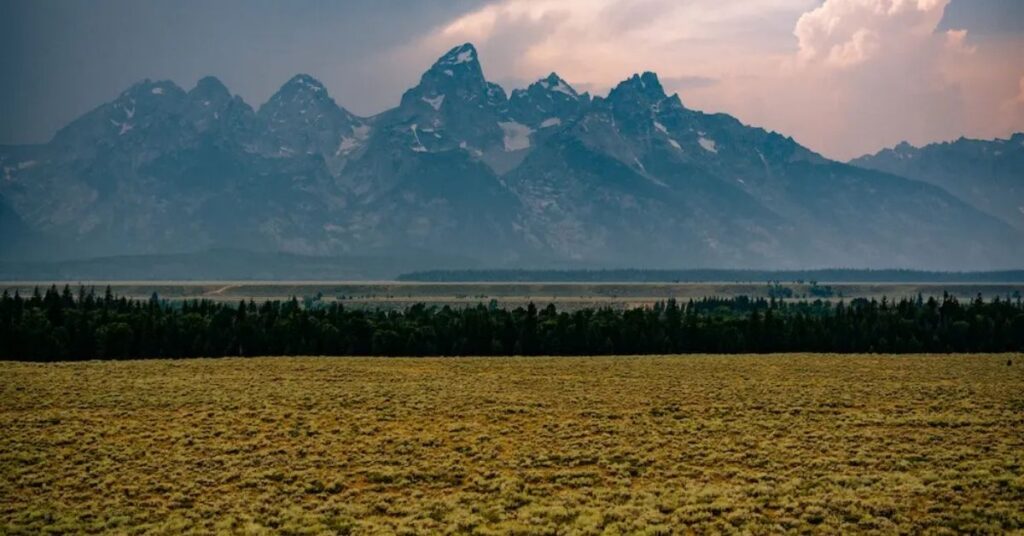
The Tetons rise abruptly from the valley floor of Jackson Hole, Wyoming. No foothills soften their approach. This creates one of the world’s most dramatic mountain vistas.
Grand Teton stands at 13,775 feet. The range spans about 40 miles.
Grand Teton National Park protects the entire range and the surrounding lakes. Jenny Lake, String Lake, and Jackson Lake offer stunning reflections of the peaks.
Visitors love these activities:
- Hiking Cascade Canyon or the Paintbrush Divide loop.
- Kayaking on Jenny Lake beneath towering granite spires.
- Wildlife photography (moose, bison, and elk frequent the valley).
- Skiing at Jackson Hole Mountain Resort in winter.
The Tetons pair perfectly with a visit to nearby Yellowstone. Together, they form one of the greatest mountain-and-wildlife travel corridors in the world.
Wasatch Range
The Wasatch Range runs through north-central Utah and is home to Salt Lake City. This range provides immediate mountain access to over two million residents.
Skiers know the Wasatch for its legendary powder snow. Resorts like Park City, Snowbird, Alta, and Brighton consistently rank among North America’s best ski destinations. The area hosted events during the 2002 Winter Olympics.
In summer, the Wasatch transforms into a hiking and mountain biking paradise. Big Cottonwood Canyon and Little Cottonwood Canyon offer dozens of well-maintained trails.
Olympic Mountains
The Olympic Mountains sit on Washington’s Olympic Peninsula, surrounded on three sides by water. Olympic National Park protects the range and features three distinct ecosystems: temperate rainforest, alpine peaks, and rugged Pacific coastline.
Hurricane Ridge provides accessible alpine views just a short drive from Port Angeles. The Hoh Rain Forest, one of the few temperate rainforests in the US, receives over 140 inches of rain annually.
These mountains appeal to travelers who enjoy solitude and diverse landscapes within a compact area. Check out our list of hidden travel gems worldwide for more off-the-beaten-path destinations like this.
Ozark Mountains
The Ozarks span southern Missouri, northern Arkansas, and small portions of Oklahoma and Kansas. These low, forested highlands don’t reach alpine elevations, but they offer outstanding outdoor recreation.
Highlights include:
- Canoeing and kayaking on the Buffalo National River.
- Exploring Blanchard Springs Caverns in Arkansas.
- Hiking the Ozark Highlands Trail (165 miles).
- Swimming in natural springs with crystal-clear water.
The Ozarks offer a more laid-back mountain experience. Visitors enjoy affordable lodging, uncrowded trails, and beautiful fall colors from mid-October through early November.
Adirondack Mountains
The Adirondacks cover a massive area in upstate New York. Adirondack Park, the largest park in the contiguous US, spans over six million acres — larger than Yellowstone, Yosemite, Grand Canyon, Glacier, and Great Smoky Mountains parks combined.
The range contains 46 peaks above 4,000 feet. Hiking all 46 is a proud tradition called the “46er” challenge.
Lake Placid, site of two Winter Olympic Games (1932 and 1980), sits in the heart of the Adirondacks. Paddling, fishing, and leaf-peeping draw huge crowds in autumn.
San Juan Mountains
The San Juans occupy southwestern Colorado and contain some of the most rugged terrain in the Rockies. Thirteen peaks exceed 14,000 feet within this subrange.
Telluride and Ouray serve as popular base towns. The Million Dollar Highway (US Route 550) winds through narrow mountain passes with dramatic drop-offs.
Highlights include:
- Jeep trails to alpine lakes and abandoned mining towns.
- Ice climbing in Ouray Ice Park.
- Mountain biking and trail running in summer.
- Hot springs soaking after long days on the trail.
Great Smoky Mountains
Great Smoky Mountains National Park straddles the North Carolina-Tennessee border. It welcomes over 12 million visitors annually, making it America’s most visited national park.
The park covers over 800 square miles and protects old-growth forest. Clingmans Dome (6,643 feet) offers panoramic views from its observation tower.
This range is perfect for travelers who want nature without extreme altitude. Trails range from easy waterfall walks to challenging overnight routes along the Appalachian Trail.
For a broader look at protected areas around the globe, read our guide to best national parks worldwide.
Blue Ridge Mountains
The Blue Ridge forms the eastern front of the Appalachian Mountains. This subrange runs from Georgia through the Carolinas and Virginia into Pennsylvania.
The Blue Ridge Parkway (469 miles) connects Shenandoah National Park in Virginia to Great Smoky Mountains National Park. Many travelers call it America’s most scenic drive.
Key draws include:
- Shenandoah’s Skyline Drive and over 500 miles of trails.
- The charming mountain town of Asheville, North Carolina, known for craft breweries and live music.
- Waterfall hikes near Brevard, North Carolina (the “Land of Waterfalls”).
Brooks Range
The Brooks Range crosses northern Alaska above the Arctic Circle. This remote range receives very few visitors, making it one of the last true wildernesses in the United States.
Gates of the Arctic National Park sits within the Brooks Range. The park has no roads, trails, or visitor facilities. You reach it by bush plane.
This destination suits experienced wilderness travelers comfortable with self-supported backcountry camping. If you enjoy solo adventures in wild places, explore our guide to best solo travel destinations.
Sangre de Cristo Mountains
The Sangre de Cristo range stretches from southern Colorado into northern New Mexico. The name translates to “Blood of Christ,” named for the deep red alpenglow on the peaks at sunset.
Great Sand Dunes National Park sits at the base of this range, where North America’s tallest dunes meet alpine peaks above 14,000 feet.
Activities include:
- Sandboarding and sand sledding at the dunes.
- Hiking to the summit of Blanca Peak or Crestone Needle.
- Soaking in natural hot springs near the town of Crestone.
Best Activities Across US Mountain Ranges
Hiking and Backpacking
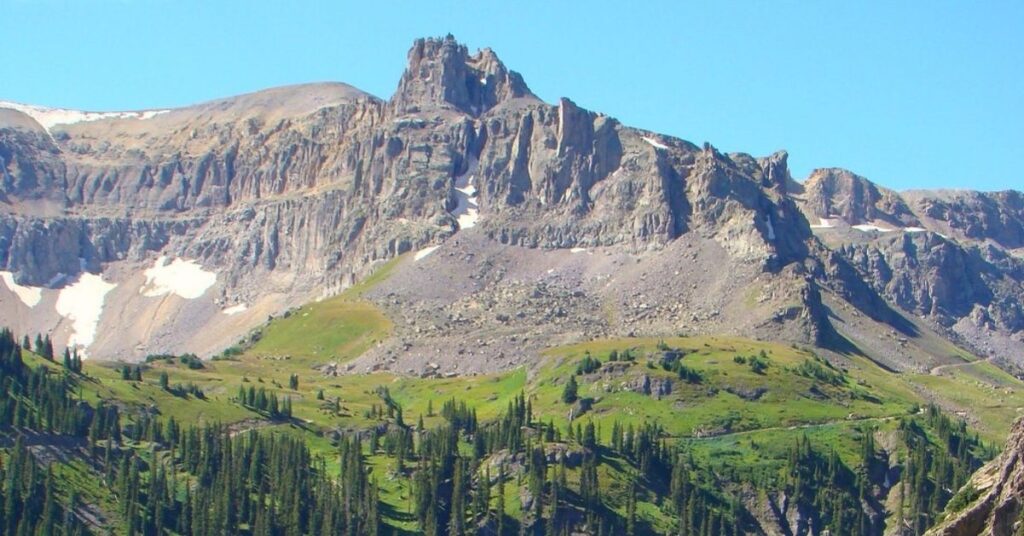
The United States offers tens of thousands of mountain trails. Options range from wheelchair-accessible boardwalks to multi-week thru-hikes.
- Beginner trails: Jenny Lake Loop (Tetons), Emerald Lake Trail (Rocky Mountain NP), Laurel Falls (Smokies).
- Intermediate trails: Angels Landing (Zion, near desert mountains), Cascade Canyon (Tetons), Highline Trail (Glacier).
- Advanced trails: John Muir Trail (Sierra Nevada), Wonderland Trail (Cascades), Appalachian Trail thru-hike.
Always carry the ten essentials: navigation, sun protection, insulation, illumination, first aid, fire, repair tools, nutrition, hydration, and shelter.
Skiing and Winter Sports
Mountain ranges in the USA support a massive ski industry. Colorado alone has over 30 ski resorts. Utah, California, Wyoming, Montana, and Washington add dozens more.
- Best powder: Alta and Snowbird (Utah), Jackson Hole (Wyoming).
- Best all-around resorts: Vail (Colorado), Park City (Utah), Mammoth Mountain (California).
- Best value: Ski Santa Fe (New Mexico), Whitefish Mountain (Montana).
Winter sports season typically runs from late November through April, depending on location and snowfall.
Wildlife Viewing
Mountain ecosystems support incredible biodiversity. Top wildlife destinations include:
- Yellowstone (bison, wolves, grizzlies, elk).
- Denali (caribou, Dall sheep, grizzlies).
- Great Smoky Mountains (black bears, synchronous fireflies in June).
- Olympic Mountains (Roosevelt elk, mountain goats).
When to Visit Mountain Ranges in the USA
Timing depends on the activity and the range you choose.
| Season | Best For | Top Ranges |
| Spring (March–May) | Wildflowers, fewer crowds | Blue Ridge, Ozarks, Cascades |
| Summer (June–Sept) | Hiking, camping, backpacking | Rockies, Sierra Nevada, Tetons, Alaska Range |
| Fall (Sept–Nov) | Fall foliage, cooler temps | Appalachians, Adirondacks, Smokies |
| Winter (Dec–Feb) | Skiing, snowshoeing | Wasatch, Cascades, Rockies |
Summer remains the most popular season for mountain travel. Book campsites and accommodations months in advance for peak-season trips to popular parks. If you want more ideas about warm-weather travel, check out our guide on where to travel in summer.
Common Mistakes to Avoid on Mountain Trips
Even experienced travelers make errors in mountain environments. Watch out for these pitfalls:
- Underestimating altitude. Elevations above 8,000 feet can cause altitude sickness. Hydrate well, ascend gradually, and give your body a day to acclimatize.
- Packing too much or too little. Mountain weather changes fast. Layer your clothing and always carry rain gear, even on sunny days.
- Skipping trail research. Check current trail conditions, snow levels, and permit requirements before you leave home.
- Ignoring wildlife safety. Store food properly in bear country. Keep at least 100 yards from bears and wolves, and 25 yards from other large animals.
- Starting hikes too late. Afternoon thunderstorms are common in summer, especially in the Rockies and Sierra Nevada. Start early and aim to reach exposed ridgelines before noon.
- Not carrying enough water. Mountain air is dry. Bring at least one liter per hour of strenuous hiking and carry a water filter for backcountry trips.
Key Takeaways
- The mountain ranges in the USA span every climate zone, from arctic tundra to subtropical forest.
- The Rocky Mountains, Sierra Nevada, and Cascades hold the tallest peaks in the contiguous US, while Denali in the Alaska Range tops the continent.
- The Appalachians, Blue Ridge, and Great Smoky Mountains offer gentler terrain, rich biodiversity, and stunning fall foliage.
- Summer (June through September) provides the widest range of mountain activities, but winter opens up world-class skiing across multiple states.
- Always prepare for rapid weather changes, altitude effects, and wildlife encounters.
- National parks within these ranges require planning for permits, campsites, and lodging during peak season.
Conclusion
The mountain ranges in the USA offer something for every traveler. You can chase 14,000-foot summits in Colorado, paddle beneath glacier-carved peaks in Wyoming, walk through ancient forests in Tennessee, or fly into roadless wilderness above the Arctic Circle in Alaska.
No other country packs this much mountain diversity into one border. Each range has its own personality, seasons, and rewards.
Start with the range that excites you most. Plan your trip around the right season. Pack smart, respect the environment, and leave no trace. The mountains will be waiting.
FAQ
What are the major mountain ranges in the USA?
The major ranges include the Rocky Mountains, Appalachian Mountains, Sierra Nevada, Cascade Range, Alaska Range, Teton Range, and the Blue Ridge Mountains.
What is the tallest mountain in the United States?
Denali in the Alaska Range stands at 20,310 feet, making it the tallest peak in North America.
Which US mountain range is the oldest?
The Appalachian Mountains are the oldest major range in the US, dating back roughly 480 million years.
What is the longest mountain range in the United States?
The Rocky Mountains stretch over 3,000 miles from New Mexico to northern Montana (and continue into Canada), making them the longest range in the country.
Which mountain ranges are best for beginner hikers?
The Great Smoky Mountains, Blue Ridge Mountains, and Ozark Mountains offer excellent trails for beginners with moderate elevations and well-marked paths.
When is the best time to visit mountain ranges in the USA?
Summer (June through September) works best for hiking and camping. Winter (December through March) is ideal for skiing. Fall offers stunning foliage in eastern ranges.
Do I need permits to hike in US mountain ranges?
Many popular trails and national parks require wilderness permits or entrance fees. Always check the specific park’s website before your trip.
Which mountain range has the best skiing in the US?
The Rocky Mountains and Wasatch Range are widely considered the top skiing destinations. Colorado, Utah, and Wyoming host dozens of world-class resorts.
Are mountain trips suitable for families with kids?
Yes. Ranges like the Smokies, Blue Ridge, Adirondacks, and Ozarks offer family-friendly trails, campgrounds, and scenic drives at moderate elevations.
How do I prepare for high-altitude hiking?
Hydrate well, ascend gradually, avoid alcohol on the first day, and spend a night at a mid-elevation town before heading higher. Carry altitude sickness medication if you plan to go above 10,000 feet.
