


Overview
A Washington DC itinerary is a simple travel plan that helps you explore the city’s top places in a set amount of time. Washington, DC, is the capital of the United States. It is famous for its historic sites, museums, monuments, and government buildings.
Have you ever wondered how much you can see in Washington, DC, in just three days? From impressive monuments to fascinating museums, the city offers something interesting at almost every stop. A good plan can help you enjoy more without feeling rushed.
This 3-day Washington DC itinerary covers some of the city’s most popular attractions. You can visit famous landmarks, explore museums, walk through historic areas, and enjoy the local atmosphere. It also gives you a simple way to organize each day of your trip.
How Many Days Do You Need in Washington DC?
Three days is a good amount of time for a first trip to Washington, DC. It gives you enough time to see famous monuments, visit popular museums, and explore historic areas. You can also enjoy the city without rushing from one place to another.
If you have more time, consider staying for four or five days. Extra days let you explore more museums and neighborhoods at a relaxed pace. However, a well-planned 3-day trip can still give you a great introduction to the capital.
Washington DC in 1 Day
One day in Washington, DC, gives you time to see a few major landmarks. Start with the National Mall and visit places like the Lincoln Memorial and Washington Monument. You can also explore one popular museum if time allows. Keep your schedule simple so you do not spend the whole day rushing.
Washington DC in 2 Days
Two days give you more time to explore the city. Spend the first day visiting the National Mall, monuments, and memorials. Use the second day for museums, historic neighborhoods, or the U.S. Capitol area. This option works well if you want to see more without packing every hour with activities.
Washington DC in 3 Days
Three days give you a comfortable amount of time for a first visit. You can explore the major monuments and museums while also enjoying different parts of the city. Set aside one day for the National Mall, another for museums and historic sites, and the final day for areas you want to explore at a slower pace. This plan gives you a good mix of sightseeing and free time.
Washington DC Itinerary at a Glance
This 3-day Washington DC itinerary helps you explore the city without feeling rushed. You can visit famous monuments, museums, memorials, and historic places. Each day focuses on a different part of the city, so you can enjoy your trip at a comfortable pace.
Start with the National Mall and its famous landmarks. Then, spend time exploring museums and historic sites. On the third day, discover more of the city and enjoy some free time. You can also adjust the plan based on your interests and travel schedule.
Day 1: Explore the National Mall and Monuments
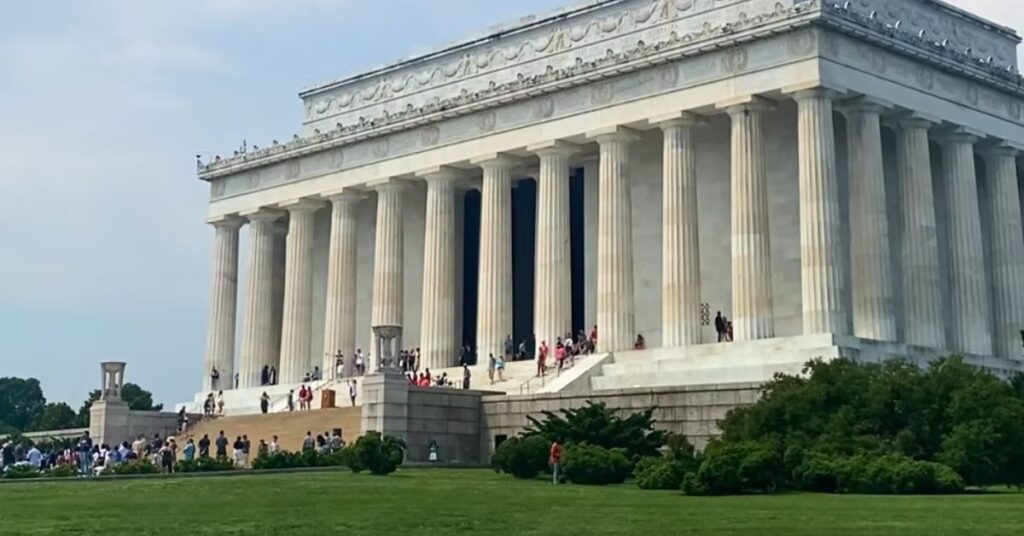
Start your first day at the National Mall. This area has many of Washington, DC’s famous landmarks. Begin with the Washington Monument and walk toward the Lincoln Memorial. Along the way, you can see several historic memorials and enjoy beautiful views. Wear comfortable shoes because you will do plenty of walking.
Take your time at each stop. You can also visit a museum if you have enough time. Here are some places to add to your first day:
- Washington Monument
- Lincoln Memorial
- World War II Memorial
- Vietnam Veterans Memorial
- Martin Luther King Jr. Memorial
- Korean War Veterans Memorial
Day 2: Capitol Hill and Smithsonian Museums
Start your second day at Capitol Hill. Visit the U.S. Capitol and enjoy a walk around the area. You can also see the Library of Congress and the Supreme Court nearby. After exploring Capitol Hill, head toward the Smithsonian museums. Most Smithsonian museums offer free admission, so they make a great choice for a budget-friendly day.
Choose one or two museums based on your interests. Do not try to visit them all in one day. Popular options include:
- National Air and Space Museum
- National Museum of American History
- National Museum of Natural History
- National Museum of African American History and Culture
Take breaks between visits and enjoy lunch nearby. This relaxed approach gives you more time to enjoy the exhibits without feeling rushed.
Day 3: White House, Georgetown, and Local Neighborhoods
Start your third day with a visit to the White House. Take some time to see the building and walk around the nearby streets. Then, head to Georgetown for a change of scenery. You can walk along the waterfront, explore historic streets, and stop at a local café for a break. Georgetown also has many shops and restaurants to enjoy.
Spend the rest of the day exploring a neighborhood that matches your interests. You can keep the afternoon relaxed after two busy days of sightseeing. Consider adding these places to your plan:
- White House
- Lafayette Square
- Georgetown Waterfront
- C&O Canal
- Historic Georgetown streets
- Local cafés and shops
Best Museums to Visit in Washington DC
Washington, DC, has many museums that cover history, science, art, and culture. Many Smithsonian museums offer free admission, which makes them easy to add to your itinerary. Pick museums based on your interests instead of trying to see everything in one trip.
Here are some popular museums to consider. Check each museum’s current hours and entry requirements before your visit. Some museums may require timed-entry passes during busy periods.
| Museum | What You Can Explore | Suggested Time |
| National Air and Space Museum | Aircraft, spacecraft, and aviation history | 2–3 hours |
| National Museum of Natural History | Dinosaurs, animals, gems, and natural science | 2–3 hours |
| National Museum of American History | American history, culture, and famous objects | 2–3 hours |
| National Museum of African American History and Culture | African American history, culture, and experiences | 3–4 hours |
| National Gallery of Art | Paintings, sculptures, and European and American art | 2–3 hours |
| National Museum of the American Indian | Native American history, art, and culture | 1.5–2 hours |
| National Museum of Asian Art | Asian art and cultural collections | 1.5–2 hours |
| Hirshhorn Museum | Modern and contemporary art | 1–2 hours |
| National Postal Museum | Postal history, stamps, and mail transportation |
Best Things to Do in Washington DC at Night
Washington, DC, looks different after sunset. Many monuments and memorials stay open to visitors at night, and the National Mall offers beautiful views under the lights. Take an evening walk around the Lincoln Memorial, Washington Monument, or World War II Memorial. You can also enjoy the city skyline from the Georgetown waterfront.
If you want a more relaxed evening, explore Georgetown or another lively neighborhood. Stop at a local restaurant or café for dinner. You can also look for live music, theater, or other evening events during your visit. A night walk gives you a peaceful way to end a busy day of sightseeing.
Where to Stay in Washington DC
Washington, DC, has many areas that work well for visitors. Downtown keeps you close to major attractions and public transport. Capitol Hill works well if you want to stay near the U.S. Capitol and the National Mall. Georgetown offers historic streets, shops, restaurants, and a relaxed atmosphere.
Choose your area based on your plans and budget. Staying near a Metro station can save you time and make it easier to explore the city. If you want a quieter stay, look at neighborhoods outside the busiest tourist areas. Always check the location before booking so you can plan your daily travel easily.
How to Get Around Washington DC
Washington, DC, has several easy ways to get around the city. The Metro is a useful choice for longer trips. It connects many popular areas and attractions. You can also use buses, taxis, or ride-sharing services when needed. Walking works well around the National Mall because many attractions sit close to each other.
For a 3-day trip, combine different transport options based on your plans. Wear comfortable shoes for long walks. Use a Metro station near your hotel when possible. A bike can also work for short trips, especially around the National Mall and nearby neighborhoods. Check routes and schedules before leaving to save time.
Best Time to Visit Washington DC
Spring and fall are great times to visit Washington, DC. The weather usually feels comfortable for walking and sightseeing. Spring brings colorful cherry blossoms, while fall brings pleasant temperatures and beautiful autumn views. These seasons also make it easier to spend time outdoors.
Summer can feel hot and humid, but it still attracts many visitors. Winter brings colder weather and fewer crowds at some attractions. Choose your travel dates based on the weather, crowds, and activities you want to enjoy. Check the forecast before your trip so you can pack the right clothes.
Read more for info: https://natureroamers.com/road-trip-ideas/
Tips for Planning a Washington DC Itinerary
Plan your Washington DC itinerary before you arrive. Group nearby attractions on the same day to save travel time. Start your day early, especially if you want to visit popular landmarks and museums. Leave some free time in your schedule so you can enjoy the city without feeling rushed.
Keep these simple tips in mind:
- Wear comfortable shoes for long walks.
- Check museum hours before your visit.
- Use the Metro for longer trips.
- Book timed-entry tickets when required.
- Carry water during busy sightseeing days.
- Keep your daily plans flexible.
- Check the weather before heading out.
Washington DC Itinerary for Families
Washington, DC, offers many fun places for families. Start with the National Mall and visit famous monuments and memorials. Children may also enjoy the National Air and Space Museum and the National Museum of Natural History. Keep the schedule relaxed and take breaks between attractions.
Choose activities that match your children’s ages and interests. Avoid visiting too many museums in one day. Pack snacks and water for long walks. You can also enjoy a family meal in a nearby neighborhood after sightseeing. A simple plan helps everyone enjoy the trip without feeling tired.
Washington DC Day Trips
If you have extra time, take a day trip from Washington, DC. You can explore historic towns, scenic areas, and important sites outside the city. Popular choices include Alexandria, Virginia, and nearby historic destinations. Check travel times before leaving so you can make the most of your day.
Plan your day trip around one main destination. Start early and leave enough time for the return journey. You can enjoy a relaxed walk, try local food, or visit a few attractions along the way. Day trips add variety to your Washington DC itinerary without changing your main city plans.
Final Thoughts
A 3-day Washington DC itinerary gives you enough time to explore the city’s famous sights. You can visit the National Mall, historic monuments, museums, Capitol Hill, and the White House. You can also enjoy Georgetown and other local neighborhoods. Plan your days well and leave some time to relax.
Washington, DC, offers something for every type of traveler. Start your mornings early and group nearby attractions together. Wear comfortable shoes and use public transport when needed. With a simple plan, you can enjoy a memorable trip without feeling rushed.
Frequently Asked Questions
1. How many days do you need in Washington, DC?
Three days work well for a first visit. You can see major monuments, museums, and historic sites without rushing.
2. What should I see first in Washington, DC?
Start with the National Mall. You can visit the Washington Monument, Lincoln Memorial, and several nearby memorials.
3. Is Washington, DC, easy to explore without a car?
Yes. The Metro, buses, and walking paths make it easy to explore many popular attractions without driving.
4. What is the best time to visit Washington, DC?
Spring and fall offer comfortable weather for sightseeing. Spring also attracts visitors who want to see the famous cherry blossoms.
5. Where should I stay in Washington, DC?
Downtown, Capitol Hill, and Georgetown are popular areas for visitors. Choose a location near a Metro station for easier travel.
