

What Makes Wildlife Safari Experiences Truly Unforgettable?
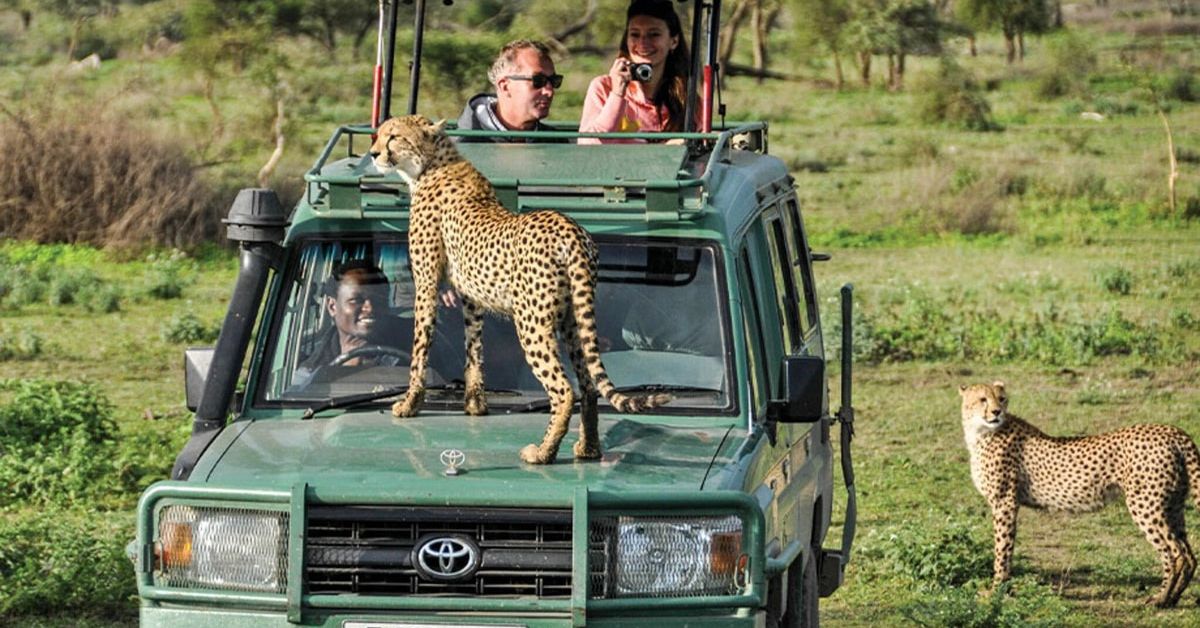
A wildlife safari is not just a vacation. It is a journey into the heart of the natural world. You witness animals roaming freely in their own habitat. You hear the roar of a lion at dawn.
You watch elephants gather at a watering hole. These moments stay with you for a lifetime. That is what makes unforgettable wildlife safari experiences so special.
Safari travel has grown rapidly in recent years. Travelers now seek more than just a basic game drive. They want meaningful, immersive, and personal encounters with nature. Modern safaris combine adventure with comfort, conservation with luxury, and education with excitement.
Whether you dream of tracking the Big Five across the African savanna or floating over migrating herds in a hot air balloon, there is a safari experience waiting for you.
This guide covers everything you need to know to plan and enjoy the most unforgettable wildlife safari experiences in 2026 and beyond.
Top Destinations for Unforgettable Wildlife Safari Experiences
Choosing the right destination is the first step toward a truly memorable safari. Africa remains the most popular continent for safaris, but options exist on other continents too.
Each destination offers something unique. Here are the top spots that deliver unforgettable wildlife safari experiences year after year.
The Serengeti, Tanzania
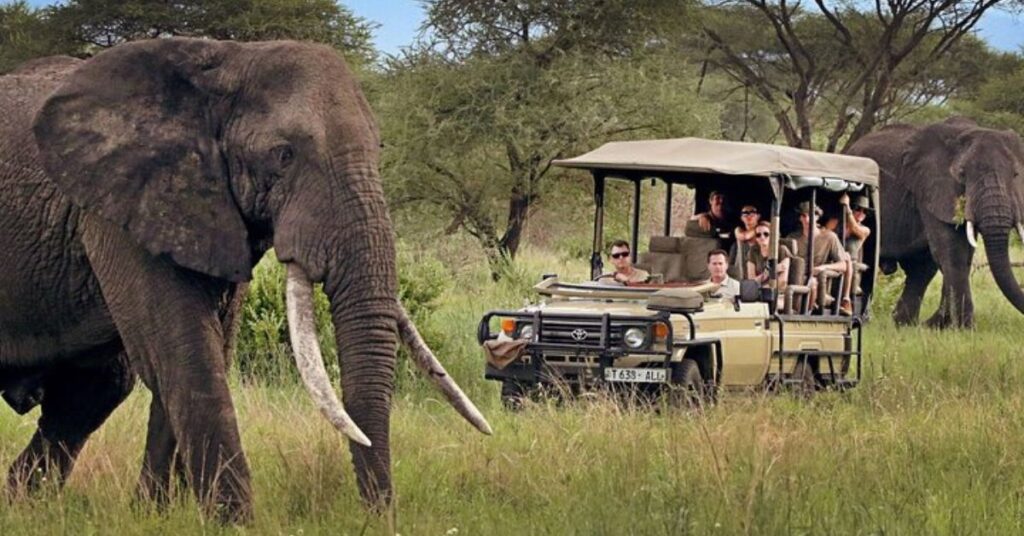
The Serengeti National Park is one of the most iconic safari destinations on Earth. Every year, over 1.5 million wildebeest, zebras, and gazelles cross its plains during the Great Migration. This natural spectacle attracts visitors from around the world.
Lions, leopards, elephants, buffalo, and rhinos all call the Serengeti home. Game drives here offer some of the best Big Five sightings anywhere. The Serengeti also offers hot air balloon rides, walking safaris, and fly camping under the stars.
Maasai Mara, Kenya
The Maasai Mara National Reserve is the northern extension of the Serengeti ecosystem. It hosts part of the Great Migration between July and October. Predator sightings here are exceptional.
You can spot lions, cheetahs, and leopards with relative ease. Cultural visits to Maasai villages add a rich human element to the trip. Many travelers consider the Mara one of the best places on Earth for unforgettable wildlife safari experiences.
Kruger National Park, South Africa
South Africa offers diverse safari options. Africa’s Kruger National Park is one of the largest game reserves. It supports an incredible variety of species.
Off-road driving, night drives, and exclusive sightings are available in nearby private reserves such as Sabi Sands and Timbavati. South Africa also has many malaria-free safari zones, making it ideal for families with young children.
Okavango Delta, Botswana
Botswana’s Okavango Delta is a unique inland water system. Safaris here combine boat rides, mokoro canoe trips, and traditional game drives. The delta floods seasonally, creating a lush paradise for wildlife.
Elephants, hippos, wild dogs, and countless bird species thrive in this ecosystem. Botswana limits tourist numbers, so the experience feels intimate and untouched.
Other Notable Destinations
Beyond these famous spots, several other destinations offer remarkable safaris.
- Uganda and Rwanda are famous for mountain gorilla trekking. Visitors hike through dense forests to sit face-to-face with silverback gorillas. This is one of the most intimate wildlife encounters on the planet.
- Namibia offers desert-adapted wildlife, stunning dunes, and excellent photographic opportunities.
- Zambia is known as the birthplace of the walking safari. Its South Luangwa National Park offers some of the best on-foot wildlife encounters.
- Australia provides unique safari experiences with kangaroos, crocodiles, and other endemic species in the Outback and Northern Territory.
| Destination | Country | Best Known For | Best Time to Visit |
| Serengeti | Tanzania | Great Migration, Big Five | June – October |
| Maasai Mara | Kenya | Predator sightings, Migration | July – October |
| Kruger & Sabi Sands | South Africa | Big Five, leopard viewing | May – September |
| Okavango Delta | Botswana | Water-based safaris, elephants | June – October |
| Bwindi Forest | Uganda | Mountain gorilla trekking | June – September |
| South Luangwa | Zambia | Walking safaris | June – October |
| Etosha | Namibia | Desert wildlife, photography | May – October |
Types of Unforgettable Wildlife Safari Experiences
A safari is not a one-size-fits-all experience. There are many different ways to explore the wild. Each type offers a unique perspective. Here are the most popular types that create truly unforgettable wildlife safari experiences.
Classic Game Drives
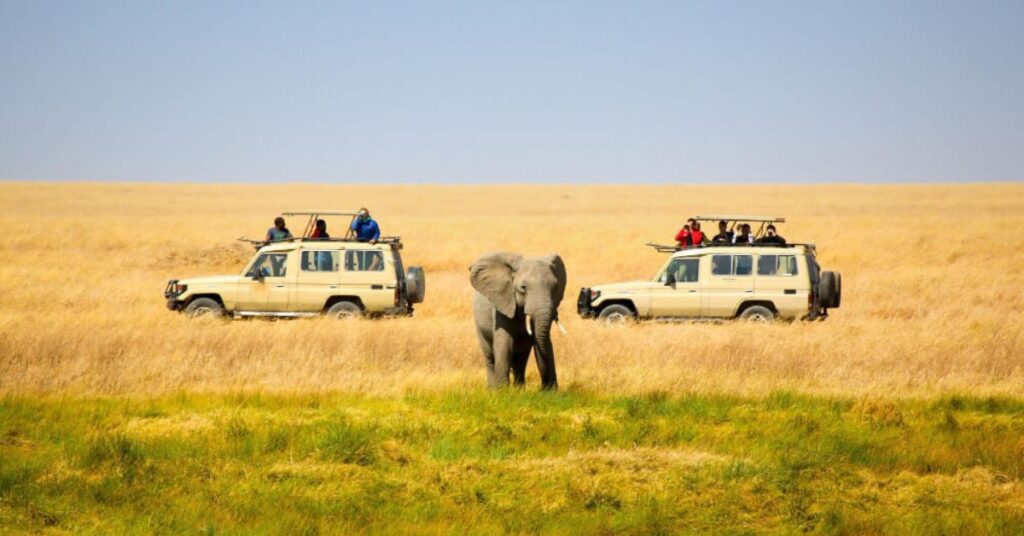
The game drive is the most common and popular safari activity. You ride in an open-top 4×4 vehicle with a trained guide. Morning drives start before sunrise when animals are most active. Afternoon drives continue until after sunset. In private reserves, guides can drive off-road and track specific animals. This gives you the best chance to see predators up close. Many lodges offer both morning and afternoon drives every day.
Walking Safaris
A walking safari takes you out of the vehicle and into the bush on foot. An armed guide leads the group through the wilderness. When you’re walking, you notice things that you’d miss if you were driving. You see tiny animal tracks, intricate spider webs, and small insects.
You smell the earth and hear every rustle in the grass. Walking safaris are especially popular in Zambia and Zimbabwe. They range from short one-hour nature walks to multi-day hikes between remote camps.
Hot Air Balloon Safaris
Floating over the savanna at sunrise in a hot air balloon is a dream come true for many travelers. The silence above the plains gives you a bird’s-eye view of migrating herds, rivers, and endless grasslands.
After landing, most operators serve a champagne breakfast right in the bush. The Serengeti and Maasai Mara are the most popular locations for balloon safaris. This is one of the most sought-after unforgettable wildlife safari experiences in 2026.
Night Drives
Driving at night reveals a completely different world. Guides use specialized spotlights to scan the landscape for nocturnal animals. You can spot creatures like leopards, hyenas, bush babies, owls, and civets that you rarely see during the day.
Big cats are often more active after dark, so your chances of witnessing hunting behavior increase. Night drives are usually offered in private reserves and conservancies.
Water-Based Safaris
In destinations like the Okavango Delta and the Zambezi River, you can explore wildlife from a boat, canoe, or mokoro (a traditional dugout canoe). You glide past hippos, crocodiles, and elephants drinking at the water’s edge.
This calm and quiet approach brings you incredibly close to wildlife. It is a deeply peaceful and immersive way to enjoy the bush.
Gorilla and Chimpanzee Trekking
Gorilla trekking in Uganda and Rwanda is one of the most emotional wildlife encounters in the world. You hike through dense tropical forests to spend one hour with a habituated gorilla family.
Sitting just meters away from a silverback gorilla is a humbling and life-changing experience. Chimpanzee tracking offers a similar thrill, with energetic and playful encounters in the forest canopy.
| Safari Type | Experience Level | Best Destinations | Duration |
| Classic Game Drive | All levels | Serengeti, Mara, Kruger | 3-4 hours per drive |
| Walking Safari | Moderate fitness | Zambia, Zimbabwe | 1 hour to multi-day |
| Balloon Safari | All levels | Serengeti, Mara | About 1 hour |
| Night Drive | All levels | Private reserves | 2-3 hours |
| Water Safari | All levels | Okavango, Zambezi | 2-4 hours |
| Gorilla Trekking | Moderate-high fitness | Uganda, Rwanda | Half day to full day |
Best Time to Plan Unforgettable Wildlife Safari Experiences
Timing plays a huge role in the quality of your safari. The season you choose affects wildlife visibility, weather, crowds, and cost. Understanding the seasons helps you plan the most unforgettable wildlife safari experiences possible.
Dry Season (June to October)
The dry season is the best time for wildlife viewing across most of Africa. Water sources shrink during this period, forcing animals to gather around remaining waterholes and rivers. Vegetation thins out, making it easier to spot animals.
The Great Migration river crossings in the Serengeti and Mara happen between July and September. This is peak safari season, so book well in advance. Prices are higher, and popular lodges fill up months ahead.
Wet Season (November to April)
The wet season brings rain, lush green landscapes, and newborn animals. Migratory birds arrive in huge numbers. Baby antelope and wildebeest attract predators. The scenery is stunning for photography.
Fewer tourists visit during this time, which means lower prices and a more private experience. Some remote camps close during heavy rains, but many parks like Ngorongoro Crater offer excellent year-round wildlife viewing.
Shoulder Months (May and November)
May and November are often the best-kept secrets in safari planning. These transition months offer great weather, good wildlife sightings, fewer crowds, and better prices. You get excellent value without sacrificing the quality of your experience.
| Season | Months | Pros | Cons |
| Dry (Peak) | June – October | Best wildlife viewing, clear skies | Higher prices, more tourists |
| Wet (Green) | November – April | Lower prices, lush scenery, baby animals | Some road closures, afternoon rain |
| Shoulder | May, November | Great value, good sightings, fewer crowds | Transitional weather |
What to Pack for Unforgettable Wildlife Safari Experiences
Packing smart makes a big difference on safari. You do not need a lot of clothes, but you do need the right gear. Here is a practical packing guide to help you prepare for unforgettable wildlife safari experiences.
Clothing Essentials
Stick to neutral and earth-tone colors like khaki, olive, tan, and brown. Bright colors and white clothes attract insects and can disturb wildlife. Pack lightweight, breathable fabrics that dry quickly. Layering is important because mornings and evenings can be cool, while afternoons get warm. A waterproof jacket is essential during the wet season. Closed-toe walking shoes with good grip are a must, especially for walking safaris.
Gear and Accessories
Your camera is your most important accessory. A zoom lens of at least 200mm helps you capture close-up wildlife shots. Bring extra memory cards, batteries, and a power bank. Solar-powered camps may have limited charging outlets.
Binoculars are equally important for spotting distant animals. A wide-brimmed hat and quality sunglasses protect you from the African sun. Pack mosquito repellent with DEET, sunscreen, and a basic first-aid kit.
Other Must-Haves
- A small flashlight or headlamp for navigating dark camps at night
- Snacks and a refillable water bottle
- Travel insurance documents
- Any prescribed medications
- A travel journal to record your daily sightings and memories
How Much Do Unforgettable Wildlife Safari Experiences Cost?
Safari costs vary widely depending on the destination, accommodation level, and season. Understanding the price range helps you plan a trip that fits your budget while still delivering unforgettable wildlife safari experiences.
Budget Safaris
Budget safaris range from roughly $150 to $350 per person per day. These trips use shared group vehicles, basic tented camps, and public national parks. You still enjoy excellent wildlife sightings, but you share the experience with other travelers. Self-drive options in South Africa’s Kruger Park offer the most affordable way to go on safari.
Mid-Range Safaris
Mid-range options cost between $350 and $800 per person per day. These safaris offer comfortable lodges, private guided game drives, and good food. They balance affordability with quality. Many travelers find this category offers the best value.
Luxury Safaris
Luxury safaris range from $800 to $2,500+ per person per day. These trips include exclusive private reserves, off-road driving, expert guides, gourmet meals, spa treatments, and premium accommodation. You enjoy intimate sightings with very few other vehicles around. Luxury lodges also invest heavily in conservation and community projects.
Additional Costs to Consider
Most safari packages include accommodation, meals, game drives, park fees, and transport within the itinerary. However, some extra costs may apply.
- Tips: $10–$20 per person per day for guides and $5–$10 for camp staff
- Visas: $30–$50 depending on nationality
- Travel insurance: Essential and highly recommended
- Optional add-ons: Hot air balloon rides, helicopter tours, spa treatments
| Safari Level | Cost Per Person/Day | Includes |
| Budget | $150 – $350 | Shared drives, basic camps, meals |
| Mid-Range | $350 – $800 | Private drives, comfortable lodges, meals |
| Luxury | $800 – $2,500+ | Exclusive access, gourmet dining, expert guides |
Read more info: https://natureroamers.com/budget-friendly-travel-destinations/
The Role of Conservation in Unforgettable Wildlife Safari Experiences
Conservation sits at the heart of every great safari. Without healthy ecosystems and protected wildlife, these experiences would not exist. When you go on safari, your money directly supports the survival of endangered species and their habitats.
How Your Safari Supports Wildlife
Every safari visitor pays conservation fees when entering national parks and reserves. In Tanzania and Kenya, these fees can run $50 to $100 or more per person per day. This money funds anti-poaching patrols, habitat restoration, and wildlife monitoring programs.
Lodges and camps also contribute by employing local communities, sourcing food locally, and running sustainability programs like solar power and water recycling.
Choosing Responsible Operators
Not all safari operators are equal. The best ones build conservation into their business model. They direct a percentage of every booking to named conservation projects. They employ local guides and support community development.
When booking your safari, ask how the operator contributes to wildlife protection. Look for operators that limit guest numbers, practice eco-friendly policies, and partner with credible conservation organizations like WWF or local wildlife trusts.
Sustainable Tourism Trends
Eco-friendly and sustainable safaris are trending strongly. Travelers increasingly want their trips to have a positive impact. Technology is also playing a role.
Guides now use tracking apps and thermal imaging for night drives. Guests can contribute to real-time research through conservation apps. These innovations enhance the experience while supporting long-term wildlife protection.
Tips to Make Your Wildlife Safari Experiences Truly Unforgettable
Planning a safari involves many decisions. These practical tips help you maximize every moment and create the most unforgettable wildlife safari experiences possible.
Book Early
Peak season lodges and popular activities like gorilla trekking sell out months in advance. Experts recommend booking nine to twelve months ahead, especially for June to October travel. Early booking also gives you the widest choice of accommodation and the best prices.
Hire a Professional Guide
A skilled guide transforms a good safari into an extraordinary one. Professional guides understand animal behavior. They know where to find specific species.
They read the landscape and anticipate wildlife movements. Their knowledge and stories bring the bush to life in ways that no self-guided drive can match.
Combine Multiple Experiences
The best safaris mix different activities. Combine classic game drives with a walking safari, a balloon ride, and a night drive. Each activity reveals a different side of the wilderness. A walking safari teaches you to read the landscape so that your next game drive reveals things you would have missed before.
A ten-day trip might include three days of game drives, a balloon flight, two days in a private conservancy with walking and night drives, and a night of fly camping under the stars.
Be Patient and Present
Wildlife operates on its own schedule. You cannot guarantee sightings of specific animals. Stay patient and enjoy every moment.
The quiet hours between big sightings are often when you notice the smaller wonders, like a dung beetle rolling its prize across the road or a lilac-breasted roller perching on a branch. Put your phone down sometimes and absorb the sights, sounds, and smells of the African bush.
Respect the Wildlife
Always follow your guide’s instructions. Keep a safe distance from animals. Never feed wildlife. Avoid making loud noises or sudden movements. Ethical wildlife viewing ensures that animals remain wild and undisturbed. It also keeps you safe.
Family-Friendly Unforgettable Wildlife Safari Experiences
Safaris are not just for adults. Many destinations and lodges cater specifically to families. Children who experience wildlife in its natural habitat develop a lifelong love for nature and conservation.
South Africa is one of the best choices for a family safari. Malaria-free reserves like Pilanesberg National Park and the Garden Route offer safe, accessible adventures.
Many lodges provide junior ranger programs, kid-friendly game drives, and educational bush activities. Private game reserves in the Sabi Sands also welcome families and offer flexible schedules.
Kenya and Tanzania also have family-friendly options. Some lodges accept children of all ages and provide dedicated family guides. Hot air balloon rides often accept children aged seven and above. Walking safaris usually have a minimum age of twelve.
When planning a family safari, choose lodges that offer connecting rooms or family suites. Look for properties with swimming pools and relaxation areas for downtime between game drives. Shorter game drives and interactive activities keep younger children engaged and happy throughout the trip.
Conclusion
Planning unforgettable wildlife safari experiences is one of the most exciting things you can do as a traveler. From the sweeping plains of the Serengeti to the misty forests of Uganda, every safari destination offers something unique and deeply moving.
Whether you choose a classic game drive, a peaceful walking safari, or a breathtaking balloon ride at sunrise, these moments connect you with nature in a way nothing else can.
The key to a great safari lies in choosing the right destination, timing your visit well, packing smart, and selecting a responsible operator. Your safari spending directly supports wildlife conservation and local communities. Every trip you take helps protect the animals and ecosystems you come to admire.
Start planning your safari today. Book early, stay open to new experiences, and let the wild surprise you. The memories you create on safari will stay with you forever.
Frequently Asked Questions About Unforgettable Wildlife Safari Experiences
What is the best time of year to go on a wildlife safari?
The dry season from June to October is the best time for most African safari destinations. Animals gather around water sources during this period, making them easier to spot.
The Great Migration in Kenya and Tanzania peaks between July and September. However, the wet season also offers unique advantages like lush scenery, baby animals, and lower prices.
How much does a typical wildlife safari cost?
Safari costs depend on the destination, season, and level of luxury. Budget safaris start around $150 per person per day. Mid-range safaris cost between $350 and $800 per day.
Luxury safaris can exceed $2,500 per day. Most packages include accommodation, meals, game drives, and park fees. Tips, visas, insurance, and optional activities are usually extra.
Is a wildlife safari safe for families with children?
Yes, many safari destinations welcome families. South Africa offers excellent malaria-free reserves that are safe for young children.
Lodges in Kenya, Tanzania, and Botswana also provide family-friendly programs with junior ranger activities and shorter game drives. Walking safaris usually require children to be at least twelve years old.
What should I pack for a wildlife safari?
Pack lightweight, neutral-colored clothing in earth tones. Bring layers for cool mornings and warm afternoons. Essential items include a good camera with a zoom lens, binoculars, sunscreen, mosquito repellent, a hat, sunglasses, closed-toe shoes, and a waterproof jacket. Do not forget extra batteries, memory cards, and a power bank.
How do safaris support wildlife conservation?
Every safari visitor pays park and conservation fees that fund anti-poaching efforts, habitat restoration, and wildlife monitoring. Lodges support local communities through employment and development programs.
Many operators also invest in sustainability initiatives like solar energy and water recycling. Choosing a responsible operator ensures your trip has a positive impact on the environment.
