

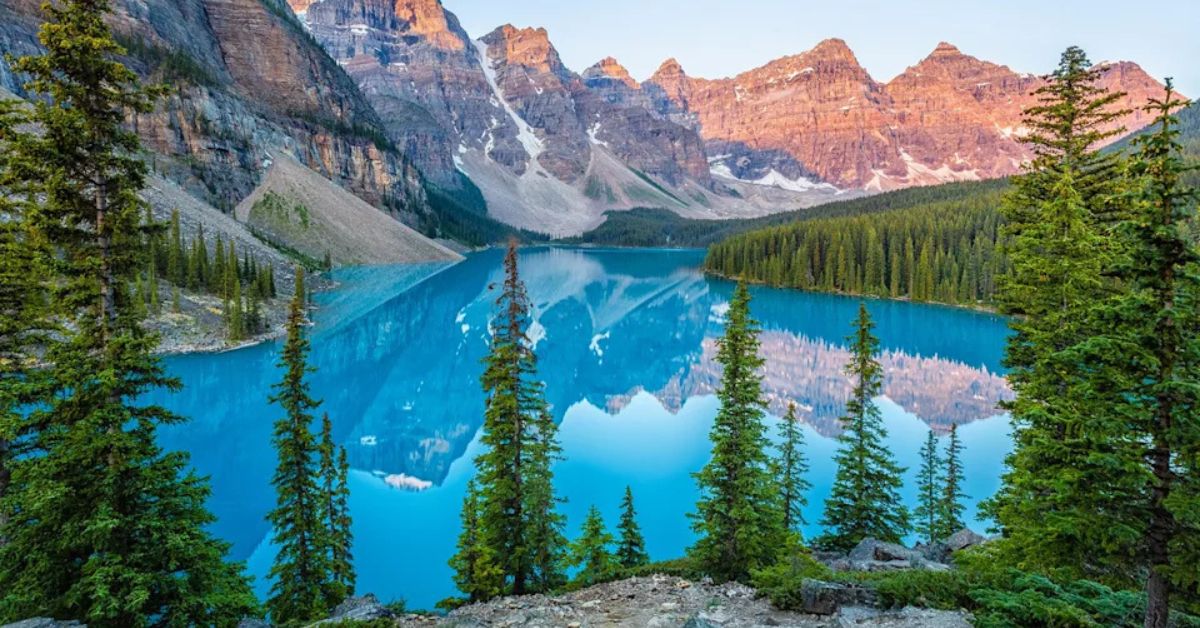
Our planet holds some truly breathtaking places. From towering mountains to deep canyons, nature has shaped landscapes that leave every visitor in awe.
National parks protect these natural treasures and make them accessible to all of us. Whether you love hiking, wildlife, or simply soaking in beautiful views, these protected areas offer something for everyone.
In this guide, we explore the best national parks worldwide that deserve a spot on your travel bucket list. Each park on this list offers a unique experience. Some will thrill you with roaring waterfalls.
Others will bring you face to face with lions, bears, and giant lizards. A few will challenge you with world-class trekking routes across glaciers and granite towers. No matter your travel style, these parks will leave a lasting impression.
Why You Should Visit the Best National Parks Worldwide
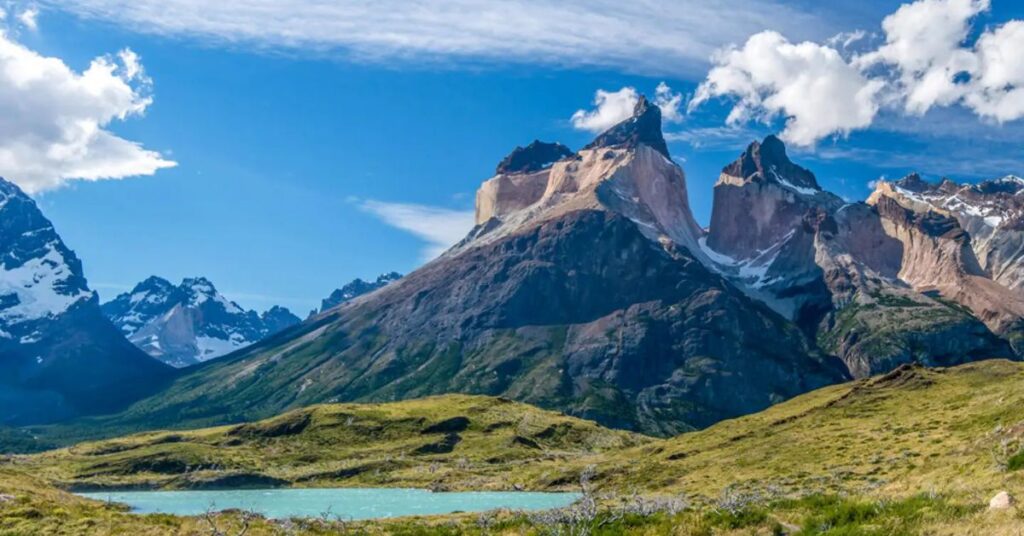
National parks exist for a simple reason. They protect the most valuable natural areas on Earth. Governments set them apart to preserve wildlife, landscapes, and ecosystems for future generations. But these parks are not just about conservation. They also invite millions of visitors each year to enjoy nature at its finest.
Visiting the best national parks worldwide gives you a chance to disconnect from your busy life. You can breathe fresh mountain air, walk through ancient forests, and watch wildlife roam freely. These experiences are hard to find anywhere else. Parks also support local economies and fund conservation efforts through tourism.
When you visit a national park, your trip helps protect the environment. Many parks now limit daily visitors to reduce damage to fragile ecosystems. This approach keeps these places beautiful for years to come. So every visit counts both for your well-being and for the planet.
Yellowstone National Park, USA
No list of the best national parks worldwide starts without Yellowstone. It holds the title of the world’s very first national park. Congress established it back in 1872 to preserve its unique geothermal wonders. Today, millions of people visit every year to witness its dramatic beauty.
Yellowstone spreads across three states: Wyoming, Idaho, and Montana. The park sits on top of a massive volcanic hotspot. This creates a landscape full of geysers, hot springs, and bubbling mud pots.
The most famous attraction is Old Faithful, a geyser that erupts with impressive regularity. The Grand Canyon of the Yellowstone stretches 24 miles long and drops over 1,000 feet deep. Its colorful rock walls and thundering waterfalls create an unforgettable sight.
Wildlife lovers will feel at home here. The park shelters bison herds, grizzly bears, wolves, elk, and mule deer. Hayden Valley is one of the best spots for watching animals in their natural habitat. The park also offers over 900 miles of hiking trails. You can choose easy lakeside walks or challenging backcountry adventures.
Best time to visit: May to October for full access to roads and facilities. Avoid July if you want fewer crowds.
Banff National Park, Canada
Banff National Park sits in the heart of the Canadian Rockies in Alberta. It holds the distinction of being Canada’s first national park, founded in 1885. Banff draws more than four million visitors each year. Its turquoise glacial lakes, snow-capped peaks, and deep valleys make it one of the most photographed places on Earth.
Lake Louise and Moraine Lake are the park’s crown jewels. Glacial silt gives their water a surreal turquoise color. In summer, visitors canoe on the calm waters. In winter, the frozen lakes become skating rinks surrounded by mountains.
The Icefields Parkway connects Banff to neighboring Jasper National Park. This scenic drive passes glaciers, waterfalls, and wild valleys.
Banff offers activities for every season. Summer brings hiking, cycling, and wildlife watching. Winter transforms the park into a skiing paradise with three world-class ski resorts.
The Banff Upper Hot Springs let you soak in warm mineral water with mountain views. Hiking trails range from easy strolls up Tunnel Mountain to multi-day alpine expeditions. You can spot elk, marmots, and even grizzly bears along the way.
Best time to visit: June and September offer warm weather with fewer crowds.
Serengeti National Park, Tanzania
The Serengeti is Africa’s most iconic wildlife destination. It hosts the Great Migration, one of the most spectacular natural events on the planet. Every year, roughly two million wildebeest, along with hundreds of thousands of zebras and gazelles, cross the plains in search of food and water. Predators like lions, cheetahs, and crocodiles follow closely behind.
This UNESCO World Heritage Site covers nearly 15,000 square kilometers of grasslands, woodlands, and riverine forests. The Serengeti supports one of the highest concentrations of large predators anywhere on Earth.
Visitors go on guided game drives, hot-air balloon safaris at sunrise, and bush walks. Luxury safari lodges and tented camps blend comfort with wild adventure.
The Great Migration usually peaks between June and September in the northern part of the park. River crossings during this period are dramatic. Thousands of animals plunge into crocodile-filled waters in a fight for survival.
Beyond the migration season, the Serengeti still delivers world-class wildlife viewing year-round. The park records over 500 bird species, making it a paradise for birdwatchers too.
Best time to visit: June to October for the migration and dry-season wildlife viewing.
Torres del Paine National Park, Chile
Torres del Paine sits in the remote Patagonia region of southern Chile. Many travelers call it the eighth wonder of the world. The park covers over 448,000 acres of granite towers, glacial lakes, deep fjords, and rolling grasslands. Its dramatic landscapes attract hikers, photographers, and adventure seekers from every corner of the globe.
The park’s centerpiece is the Cordillera del Paine, a group of towering granite peaks. The famous “W” trek covers about 41 miles and passes through some of the most stunning scenery on Earth.
You hike past massive glaciers, shimmering blue lakes, and windswept valleys. More experienced trekkers take on the full circuit, an eight- to ten-day journey around the entire mountain range.
Wildlife is plentiful too. You can spot guanacos (wild relatives of llamas), Andean condors soaring overhead, and even foxes roaming the grasslands.
The park promotes sustainable tourism and limits visitor numbers to protect its fragile ecosystems. Torres del Paine earned its place as one of the best national parks worldwide through its raw, untouched beauty.
Best time to visit: October to April, when trails are open and weather is milder.
Kruger National Park, South Africa
Kruger National Park is one of Africa’s largest and most famous game reserves. It stretches across nearly 20,000 square kilometers in northeastern South Africa. The park is home to all of the Big Five: lion, leopard, elephant, buffalo, and rhinoceros. Few places on Earth give you such reliable chances to see these iconic animals.
Kruger stands out because of its incredible biodiversity. The park supports over 500 bird species, 147 mammal species, and dozens of reptile and amphibian species. Its varied habitats include woodland, riverine areas, bushveld, and savanna. This diversity means every drive through the park reveals something new.
One of Kruger’s biggest draws is the self-drive safari option. You can rent a car and explore the park at your own pace. The park also offers organized night drives led by experienced rangers.
These after-dark excursions reveal nocturnal animals like hyenas, civets, and genets. Accommodation ranges from basic rest camps to luxury private lodges. A week-long stay lets you explore multiple regions and truly experience the park’s depth.
Best time to visit: June to October during the dry season, when animals gather near water sources.
Quick Comparison: Best National Parks Worldwide
| National Park | Country | Known For | Best Time to Visit | Ideal For |
| Yellowstone | USA | Geysers, wildlife, canyons | May – October | Families, hikers |
| Banff | Canada | Glacial lakes, skiing | June & September | Hikers, skiers |
| Serengeti | Tanzania | Great Migration, safaris | June – October | Wildlife lovers |
| Torres del Paine | Chile | Granite towers, trekking | October – April | Trekkers, photographers |
| Kruger | South Africa | Big Five, self-drive safaris | June – October | Safari enthusiasts |
| Plitvice Lakes | Croatia | Cascading lakes, waterfalls | April – October | Nature lovers, families |
| Komodo | Indonesia | Komodo dragons, diving | April – December | Divers, adventurers |
| Fiordland | New Zealand | Fjords, rainforest, trekking | October – April | Hikers, kayakers |
| Grand Canyon | USA | Vast canyon, scenic drives | March – May | Hikers, sightseers |
| Galápagos | Ecuador | Unique wildlife, marine life | June – November | Wildlife enthusiasts |
Plitvice Lakes National Park, Croatia
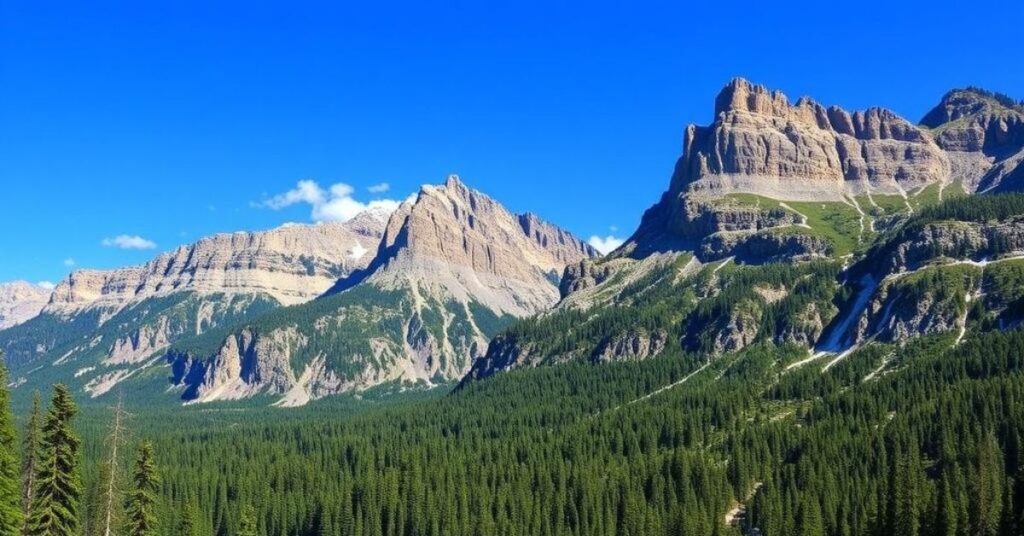
Plitvice Lakes National Park is Croatia’s oldest and largest national park. It earned UNESCO World Heritage Site status for good reason. The park features 16 terraced lakes connected by a series of waterfalls. These lakes glow in stunning shades of blue, green, and gray depending on the light and mineral content of the water.
The park’s magic comes from natural travertine barriers, limestone dams formed over thousands of years. Water cascades over these barriers, creating an ever-changing waterfall landscape.
The largest waterfall, Veliki Slap, drops nearly 260 feet. Visitors walk along wooden boardwalks built right over the water’s edge. Electric boats and panoramic trains carry visitors between different sections of the park.
The surrounding forests shelter wolves, wild boars, deer, lynx, and brown bears. Over 150 bird species call the park home. The lakes also hold enormous trout, thanks to a complete fishing ban that has been in place for years.
One day is usually enough to see the park’s highlights, though many visitors return for a second look. Plitvice Lakes proves that Europe holds some of the best national parks worldwide.
Best time to visit: Spring and early autumn for pleasant weather and fewer tourists.
Read for more info: https://natureroamers.com/scenic-mountain-travel-destinations/
Komodo National Park, Indonesia
Komodo National Park is home to the world’s largest living lizard, the Komodo dragon. These massive reptiles can grow up to 10 feet long. The park spreads across several volcanic islands in eastern Indonesia and includes rich coral reefs, pink sand beaches, and savanna grasslands.
In 2026, Indonesian authorities introduced a strict daily visitor cap of 1,000 people. This change protects the park’s delicate marine and land ecosystems. Previously, peak days saw over 2,500 visitors.
The new system requires all visitors to book permits in advance through the official SiOra platform. Spontaneous visits are no longer possible during high season.
Beyond the famous dragons, Komodo offers some of the best scuba diving in the world. Dive sites like Crystal Rock, Batu Bolong, and Manta Point attract divers from around the globe. The waters teem with manta rays, sea turtles, reef sharks, and hundreds of coral species.
Padar Island provides one of the park’s most photographed viewpoints, a hilltop overlooking three differently colored beaches. The park is a UNESCO World Heritage Site and a must-visit for any adventurer exploring the best national parks worldwide.
Best time to visit: April to December, with July to October being peak season.
Fiordland National Park, New Zealand
Fiordland National Park occupies the southwestern corner of New Zealand’s South Island. It is the country’s largest national park and covers over 1.2 million hectares of untouched wilderness. Deep fjords, ancient rainforests, towering waterfalls, and glacier-carved valleys define its landscape.
Milford Sound is the park’s most visited attraction. This dramatic fjord features cliffs rising over 1,000 meters straight from the water. Cruise boats take visitors past cascading waterfalls, seal colonies, and lush green cliff faces. Doubtful Sound, less crowded than Milford, offers an even more remote and quiet experience.
Fiordland is a hiker’s paradise. It offers three of New Zealand’s nine Great Walks — the Milford Track, the Routeburn Track, and the Kepler Track. These multi-day treks pass through breathtaking alpine scenery and dense beech forests.
The park also attracts kayakers who paddle through calm, reflective fjord waters surrounded by towering peaks. Rain is frequent here, but it adds to the park’s mystical atmosphere by feeding countless temporary waterfalls.
Best time to visit: October to April for warmer temperatures and longer daylight hours.
Grand Canyon National Park, USA
The Grand Canyon needs little introduction. This massive gorge stretches 277 miles across northern Arizona. The Colorado River carved this wonder over millions of years, exposing rock layers that are nearly two billion years old. The canyon reaches depths of over 6,000 feet and offers some of the most dramatic views on the planet.
The South Rim draws the most visitors. It stays open year-round and provides stunning overlooks like Mather Point and the famous Tunnel View. The North Rim is less crowded and sits about 1,000 feet higher. It offers a quieter, more rugged experience.
Hiking trails like the Bright Angel Trail and South Kaibab Trail take visitors down into the canyon itself. These hikes are challenging but deeply rewarding.
Beyond hiking, visitors enjoy rafting on the Colorado River, scenic helicopter flights, and mule rides along the canyon rim. The park also provides excellent stargazing thanks to limited light pollution.
As one of the best national parks worldwide, the Grand Canyon earned its UNESCO World Heritage status for the geological story its rock layers tell.
Best time to visit: March to May and September to November for mild weather and fewer crowds.
Galápagos National Park, Ecuador
The Galápagos Islands sit about 600 miles off Ecuador’s coast in the Pacific Ocean. This remote archipelago inspired Charles Darwin’s theory of evolution. The islands shelter species found nowhere else on Earth, including giant tortoises, marine iguanas, blue-footed boobies, and flightless cormorants.
Galápagos National Park covers 97% of the archipelago’s land area. Strict regulations control how many tourists can visit and where they can go. Certified naturalist guides must accompany all visitors. These rules keep the islands pristine and protect the wildlife that has thrived here for millions of years.
Snorkeling and diving are world-class experiences here. You can swim alongside sea lions, penguins, hammerhead sharks, and sea turtles in crystal-clear waters. Each island has its own unique ecosystem and wildlife.
Santa Cruz, Isabela, and San Cristóbal are the most popular islands for visitors. The Galápagos represent conservation at its best. They prove that responsible tourism and wildlife protection can work hand in hand. This park is truly one of the best national parks worldwide for anyone who cares about nature.
Best time to visit: June to November for cooler temperatures and active marine life.
Tips for Visiting the Best National Parks Worldwide
Planning a trip to any of these parks takes some preparation. Here are some practical tips to help you make the most of your visit.
- Book in advance. Many parks now limit daily visitors. Komodo, Galápagos, and popular US parks require reservations or timed entry permits. Book your dates as early as possible, especially for high season.
- Travel in shoulder season. Visiting just before or after peak season gives you better weather, fewer crowds, and often lower prices. September in Banff and October in Torres del Paine are great examples.
- Respect the environment. Stay on marked trails. Do not feed wildlife. Carry out all your trash. These small actions protect fragile ecosystems.
- Hire local guides. Local guides know the best spots and can share knowledge you will not find in any guidebook. Many parks require guides for safety and conservation.
- Pack smart. Weather changes fast in mountain and wilderness areas. Bring layers, rain gear, sun protection, and sturdy footwear no matter where you go.
- Support conservation. Choose eco-friendly lodges. Buy local products. Your spending directly funds the protection of these incredible places.
The Role of Conservation in National Parks
Conservation is the backbone of every great national park. Without active protection, many of the landscapes and species we love would disappear.
Parks around the world face challenges like climate change, overtourism, poaching, and habitat loss. But they also lead the way in finding solutions.
Komodo National Park’s new visitor cap shows how parks adapt to protect fragile ecosystems. Kruger National Park runs anti-poaching programs to save its rhino population.
Torres del Paine promotes sustainable tourism practices that reduce environmental impact. The Galápagos Islands strictly control visitor access and require certified guides for all tours.
When you choose to visit a national park, you contribute to these efforts. Entry fees, guided tours, and lodge stays generate funds that go directly into conservation projects.
Your presence also sends a message to governments that these places matter. Protecting the best national parks worldwide is not just a responsibility for park rangers. It is a shared duty for every traveler.
Conclusion
The best national parks worldwide offer experiences that no city, resort, or theme park can match. From the geysers of Yellowstone to the fjords of Fiordland, these places remind us how powerful and beautiful nature truly is.
Each park on this list brings something unique to the table. Some dazzle with wildlife spectacles. Others challenge you with epic treks. A few simply ask you to stand still and take in the view.
Traveling to these parks is about more than sightseeing. It connects you to the natural world and supports the conservation efforts that keep these places alive.
Whether you plan a safari in the Serengeti, a trek in Patagonia, or a dive in Komodo, you will carry these memories for a lifetime.
Start planning your next adventure today. The world’s greatest national parks are waiting for you.
FAQs About the Best National Parks Worldwide
Which is the oldest national park in the world?
Yellowstone National Park in the USA holds the title. Congress established it in 1872 to protect its geothermal features and wildlife. It set the model for national parks around the globe.
What is the best national park for wildlife viewing?
The Serengeti National Park in Tanzania is widely considered the best for wildlife. The Great Migration alone features over two million animals crossing the plains. Kruger National Park in South Africa also offers exceptional Big Five sightings year-round.
Do I need to book national park visits in advance?
Yes, many of the best national parks worldwide now require booking. Komodo National Park limits daily visitors to 1,000. The Galápagos Islands require certified guides. Popular US parks like Yellowstone and Grand Canyon use timed entry permits during peak season.
What is the best national park for hiking?
Torres del Paine in Chile ranks among the top hiking destinations globally. The “W” trek covers about 41 miles through granite peaks and glacial valleys. Fiordland National Park in New Zealand also offers world-famous multi-day treks like the Milford Track.
When is the best time to visit national parks?
The ideal time depends on the park and your interests. Generally, shoulder seasons (just before or after peak tourist months) offer the best balance of good weather, open trails, and fewer crowds. For safari parks in Africa, the dry season from June to October provides the best wildlife visibility.
